
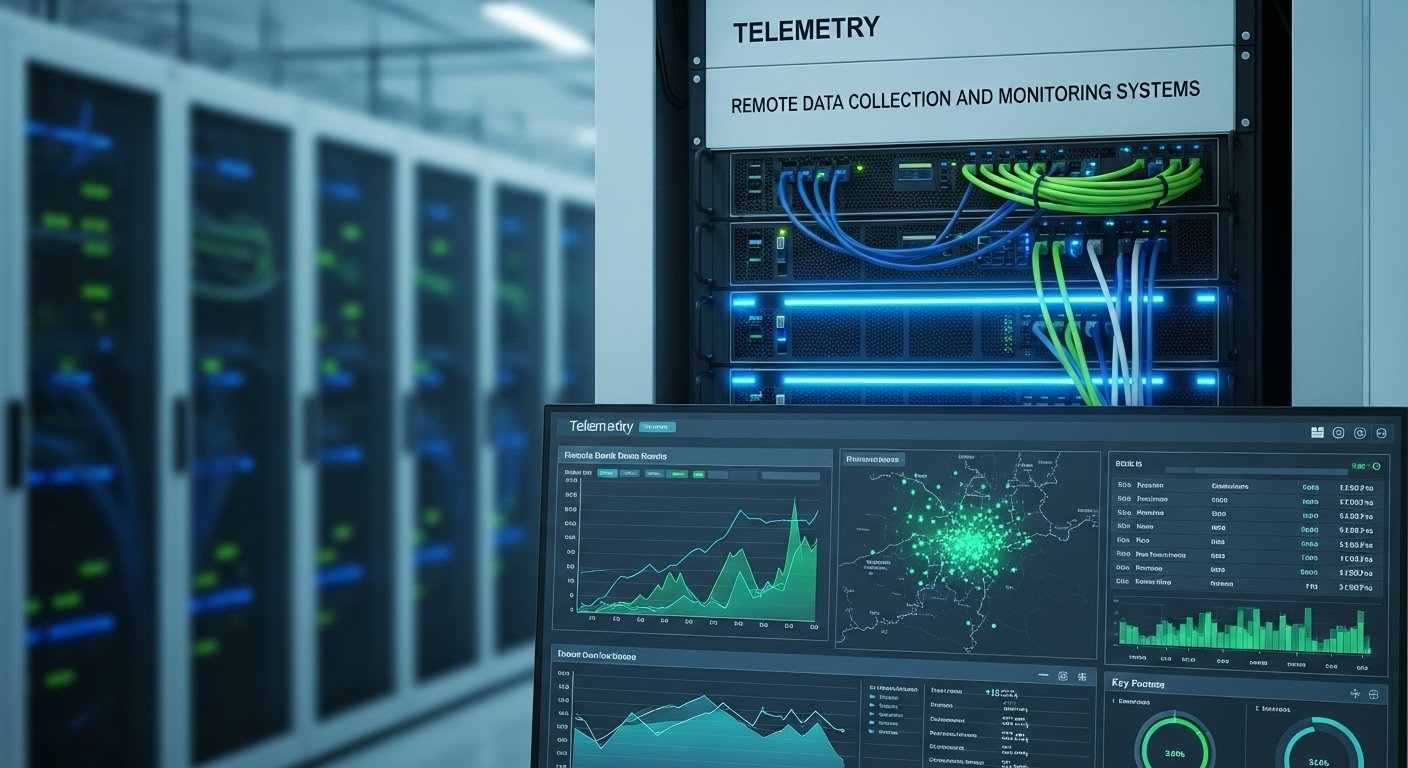
Imagine having the power to monitor critical data from remote locations without lifting a finger. This is where telemetryczny comes into play, revolutionizing how we collect and analyze information across various industries. With its ability to gather real-time data efficiently, telemetry systems are becoming indispensable tools for businesses seeking enhanced performance and decision-making capabilities.
As technology continues to evolve, so does the importance of staying connected with your operations—no matter where they are. From healthcare to agriculture, telemetryczny opens up new avenues for innovation and efficiency. Let’s dive deeper into this fascinating world of remote data collection and discover how it can benefit you and your organization.
What is Telemetryczny?
Telemetryczny refers to the technology that enables the automatic transmission of data from remote sources to receiving systems for monitoring and analysis. It’s a blend of telecommunications and measurement, allowing real-time insight into various processes.
At its core, telemetry collects data through sensors placed in specific environments. These sensors capture information such as temperature, pressure, or location and send it over networks.
This technology finds applications across many fields—medical devices monitor patients’ vital signs remotely while agricultural systems track soil moisture levels.
The beauty of telemetryczny lies in its ability to streamline operations and improve decision-making without requiring constant human intervention. By harnessing this innovative approach, businesses can enhance efficiency and responsiveness like never before.
The Benefits of Using Telemetry Systems
Telemetry systems offer a multitude of advantages that can streamline operations across various industries. One significant benefit is real-time data collection. This capability allows organizations to make informed decisions quickly, enhancing responsiveness to changing conditions.
Additionally, these systems improve efficiency by automating monitoring processes. With reduced manual input required, teams can focus on strategic tasks rather than routine checks.
Cost savings are another critical aspect. By identifying issues early through continuous monitoring, businesses can prevent costly downtime and maintenance expenses.
Moreover, telemetry enhances safety in hazardous environments. Remote monitoring minimizes human exposure to dangers while ensuring compliance with regulatory standards.
The scalability of telemetry solutions means they can grow alongside your business needs. From small applications to extensive networks, the flexibility provides a tailored approach for diverse requirements.
How Does Telemetry Work?
Telemetry works by collecting data from remote sources and transmitting it to a central system for analysis. This process involves several key components, including sensors, transmitters, and receivers.
Sensors gather specific information like temperature, pressure, or humidity. These devices convert physical measurements into electrical signals that represent the data collected.
Transmitters take these signals and send them over various communication channels. Options can include cellular networks, satellite links, or even Wi-Fi. The choice of channel depends on factors such as distance and environmental conditions.
Once the data reaches its destination—often a cloud-based platform—it undergoes processing. Here, advanced algorithms analyze trends and generate insights.
Users can access this information through dashboards or applications in real-time. It allows for quick decision-making based on accurate data without needing to be physically present at each monitoring site.
Examples of Applications for Telemetry Systems
Telemetry systems find diverse applications across various industries. In healthcare, they monitor patient vitals remotely, allowing for real-time data transmission to medical professionals. This capability enhances patient care and enables timely interventions.
In agriculture, telemetry aids in precision farming. Sensors collect data on soil moisture levels and crop health, enabling farmers to optimize water usage and improve yield.
Transportation also benefits significantly from telemetry. Fleet management systems track vehicle locations and performance metrics, ensuring efficient route planning and fuel savings.
Moreover, environmental monitoring relies heavily on telemetry technology. It tracks weather patterns or pollution levels in real time, providing crucial information for research and public safety.
The energy sector utilizes telemetry for grid management. Smart meters communicate energy consumption data back to utility companies, facilitating better resource distribution while promoting sustainability efforts.
Choosing the Right Telemetry System for Your Needs
Selecting the right telemetry system requires careful consideration. Start by identifying your specific needs. What kind of data do you need to collect? Understanding this is crucial.
Next, evaluate the scalability of potential systems. Will they grow with your business or project? Flexibility can save time and money in the long run.
Compatibility matters too. Ensure that any system you choose integrates seamlessly with your existing infrastructure. This reduces headaches during implementation.
User experience shouldn’t be overlooked. A user-friendly interface enhances efficiency and minimizes training time for staff members.
Consider budget constraints while weighing features against costs. An effective telemetry system should offer a balance between functionality and affordability to meet your operational goals effectively.
Top Companies in the Telemetry Industry
The telemetry industry is bustling with innovation and competition. Key players are driving advancements in remote data collection and monitoring systems.
One notable company is IBM, known for its robust analytics capabilities. They offer a comprehensive suite of telemetry solutions that cater to various sectors, including healthcare and transportation.
Another giant is Siemens. Their focus on Smart Infrastructure integrates telemetry technology into building management systems, enhancing efficiency and sustainability.
Oracle also stands out by providing cloud-based telemetry services. Their solutions enable businesses to gather real-time insights from diverse sources effortlessly.
Trimble specializes in agriculture and construction applications, utilizing telemetry for precision farming and project management.
These companies exemplify the dynamic landscape of the telemetry sector, each contributing uniquely to this transformative field.
Future Trends in Telemetry Technology
The future of telemetry technology is poised for remarkable advancements. With the rise of the Internet of Things (IoT), connectivity will become even more seamless. Devices will communicate in real-time, enabling faster decision-making.
Artificial intelligence and machine learning are set to revolutionize data analysis within telemetry systems. These technologies can identify patterns and anomalies swiftly, enhancing predictive maintenance across industries.
Moreover, edge computing is gaining traction. By processing data closer to where it’s generated, latency decreases significantly. This allows for immediate responses in critical applications like healthcare and transportation.
Security remains a primary focus as these systems evolve. Enhanced encryption methods and robust authentication protocols will be essential to safeguard sensitive data from cyber threats.
Sustainability trends are influencing telemetry design choices. Energy-efficient sensors and eco-friendly materials are becoming standard practice as businesses strive for greener operations while leveraging telemetry solutions.
Conclusion
Telemetryczny systems have revolutionized the way data is collected and monitored across various sectors. By leveraging the power of real-time data transmission, organizations can make informed decisions that drive efficiency and productivity. The benefits are clear: enhanced operational visibility, proactive maintenance capabilities, and improved resource management.
As technology advances, telemetry continues to evolve with innovations like IoT integration, machine learning algorithms for predictive analytics, and more user-friendly interfaces. Choosing the right telemetry system tailored to specific needs is crucial for harnessing its full potential. Companies specializing in this field offer a variety of solutions designed to meet diverse requirements.
With ongoing developments on the horizon, it’s an exciting time for telemetry technology. Businesses looking to enhance their operations should keep an eye on these trends as they unfold. Adopting telemetryzny not only prepares you for today but also sets you up for future success in navigating complex environments efficiently.