
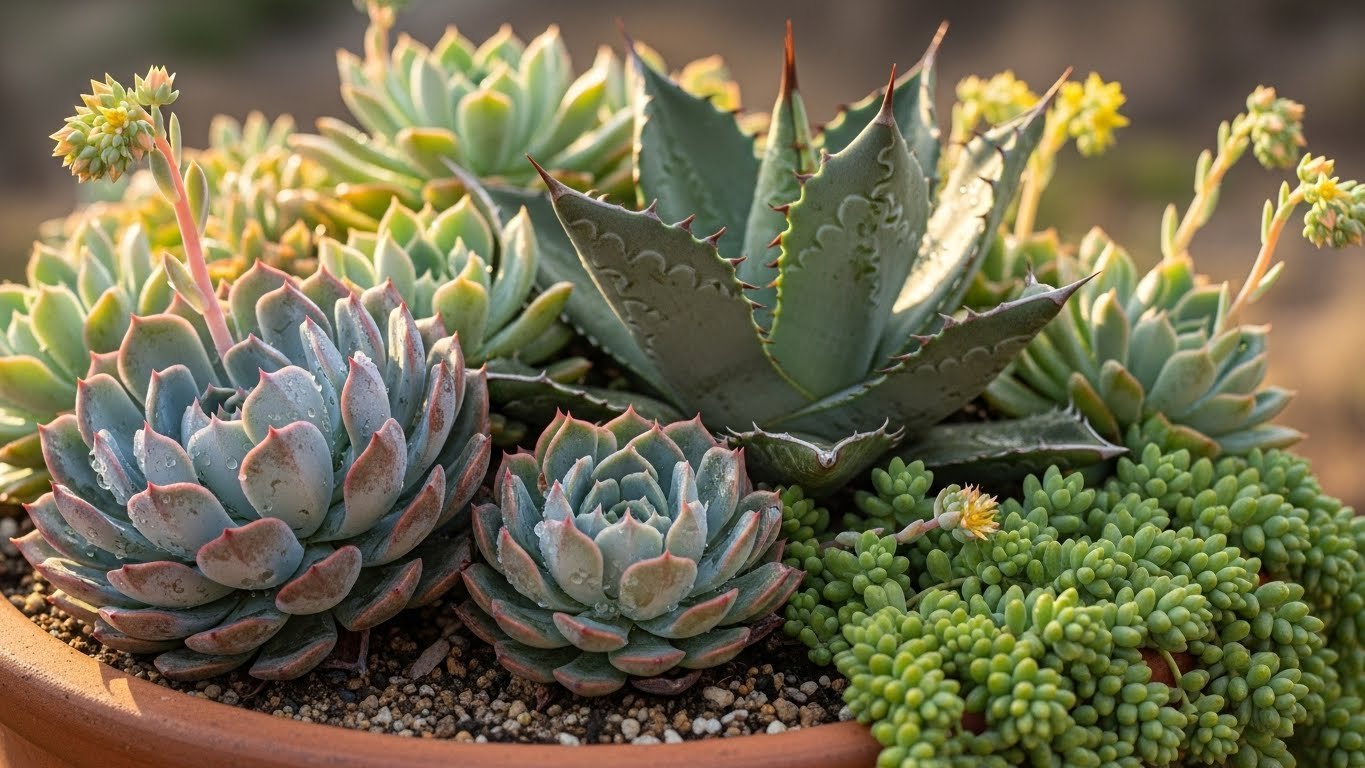
If you’re looking to add a touch of greenery to your space without the fear of frequent watering, succulents might just be your best friend. These charming plants are known for their unique shapes and vibrant colors, making them a popular choice among both novice and experienced gardeners alike. Besides their aesthetic appeal, succulents have an incredible ability to store water in their leaves, stems, or roots, allowing them to thrive even in the driest conditions. Whether you want to beautify your home or create a low-maintenance garden oasis, embracing these drought-resistant wonders could transform your approach to plant care. Let’s dive deeper into the fascinating world of succulents!
Benefits of Growing Succulents
Succulents are more than just visually appealing plants; they offer a range of benefits that make them an excellent choice for both beginners and seasoned gardeners. One major advantage is their low maintenance needs. They thrive on neglect, making them perfect for busy lifestyles.
These hardy plants also improve indoor air quality by filtering toxins and adding oxygen to your space. This can lead to a healthier living environment, especially in closed-off areas.
Another benefit lies in their versatility. Succulents come in various shapes, sizes, and colors, allowing you to express creativity through unique arrangements or designs.
Moreover, they can serve as natural stress relievers. Tending to these beautiful plants fosters mindfulness and brings joy into daily routines. Their resilience symbolizes strength and adaptability—qualities we all admire!
Types of Succulents and Their Characteristics
Succulents come in a fascinating array of shapes, sizes, and colors. Each type has its unique charm.
The Echeveria is popular for its rosette shape and vibrant hues ranging from green to deep purple. Its thick leaves store water efficiently.
Then there’s the Aloe Vera, known not only for beauty but also for its medicinal properties. Its spiky leaves contain a soothing gel that can treat burns.
Another striking option is the Jade Plant. This succulent features oval-shaped leaves and grows into a small tree-like structure over time, symbolizing good luck in many cultures.
For those who enjoy trailing plants, consider String of Hearts. It boasts delicate vines adorned with heart-shaped leaves—perfect for hanging arrangements.
The Agave impresses with its architectural form and sharp edges. Known as century plants, they thrive on minimal care while showcasing stunning flowers when mature.
How to Care for Succulents
Caring for succulents is a rewarding experience. They thrive with minimal attention, making them perfect for busy plant lovers.
First, choose the right potting mix. A well-draining soil is essential to prevent root rot. Cactus mix or a blend of regular soil and sand works wonderfully.
Watering can be tricky but simple once you get the hang of it. Allow the soil to dry out completely between waterings. Overwatering is one of the most common mistakes.
Light plays a crucial role in their health. Succulents love bright, indirect sunlight. Place them near a window but avoid harsh afternoon sun that might scorch their leaves.
Temperature matters too! Most succulents prefer temperatures between 60°F and 80°F (15°C – 27°C). Protect them from frost and extreme heat.
With these basic guidelines, your succulent garden will flourish beautifully over time.
Using Succulents for Water Storage
Succulents are remarkable not just for their beauty but also for their incredible ability to store water. These plants have adapted over time to thrive in arid environments, making them perfect companions for those seeking low-maintenance greenery.
Their thick, fleshy leaves and stems act as reservoirs. When conditions become dry, succulents can tap into these reserves, sustaining themselves when other plants might wither away. This natural adaptation is a game-changer for gardeners looking to minimize water usage.
Incorporating succulents into your garden or home brings both aesthetic appeal and practicality. They require minimal watering while providing a unique visual element that brightens any space.
Utilizing these hardy plants means less frequent irrigation cycles and reduced stress on your local water supply. You’ll appreciate the ease of care while enjoying the vibrant colors and shapes they bring to life around you.
Best Types of Succulents for Water Storage
When considering the best types of suçculent for water storage, a few varieties stand out. The Agave is a tough contender. Its thick leaves can hold substantial moisture, making it perfect for dry climates.
Another remarkable option is the Aloe Vera. Not only does this plant store water well, but it also offers skin benefits with its soothing gel.
The Echeveria family also shines in this category. With their rosette shapes and vibrant colors, they add beauty while conserving water effectively.
For those seeking something unique, consider the Haworthia. These small succulents thrive in low light and have fleshy leaves that retain moisture efficiently.
The Sedum variety deserves mention. Known for its adaptability, these plants not only survive drought conditions but flourish in them as well. Each type brings its own charm and utility to your garden or indoor space.
Tips for Successful Succulent Water Storage
To successfully store water in succulents, start by choosing the right potting mix. A well-draining soil blend is essential to prevent rot while allowing roots to absorb moisture.
Regularly check for pests. Aphids and mealybugs can hide among leaves, draining your plants’ resources. Address any infestations immediately to maintain their health.
Light conditions are critical. Succulents thrive in bright but indirect sunlight. Too much direct light can scorch their delicate leaves, while too little may hinder growth.
Watering should be infrequent but thorough. Allow the soil to dry completely between watering sessions—this encourages deeper root development and maximizes moisture storage.
Consider group planting as a strategy. Arranging multiple types of succulents together not only enhances aesthetics but also creates a microclimate that retains humidity around them.
Observe seasonal changes closely; adjust care routines accordingly as temperatures fluctuate throughout the year for optimal health and resilience.
Conclusion
Succulents are more than just attractive additions to your home or garden; they offer unique benefits that go beyond their visual appeal. These drought-resistant plants thrive in various environments, making them perfect companions for those looking to save water while still enjoying lush greenery.
Growing succulents provides a host of advantages. They require minimal maintenance and can survive on very little water. This makes them ideal for busy individuals or those new to gardening. Plus, their diverse shapes and colors allow you to express creativity when designing your indoor or outdoor spaces.
With numerous types of succulents available, understanding their characteristics is essential for selecting the right ones for your needs. From the popular Echeveria with its rosette shape to the hardy Aloe Vera famous for its medicinal properties, there’s a succulent suited for every preference and environment.
Caring for these resilient plants involves simple practices that even beginners can master. Providing well-draining soil, adequate sunlight, and occasional watering ensures they remain healthy and vibrant.
Using succulents as natural water storage solutions highlights another one of their remarkable traits. These plants store water within their leaves, stems, or roots—allowing them to withstand prolonged dry periods without wilting away.
If you’re interested in maximizing water storage capabilities, certain varieties excel at this function better than others. The Agave plant stands out among the best options due to its impressive ability to retain moisture over extended periods.
To achieve successful succulent water storage in your garden or home decor setup requires some thoughtful planning. Placing them strategically where they’ll receive proper light will enhance both growth and hydration retention levels.
Embracing succulents offers an opportunity not only to beautify our surroundings but also contribute positively towards sustainable living practices by conserving precious resources like water.