
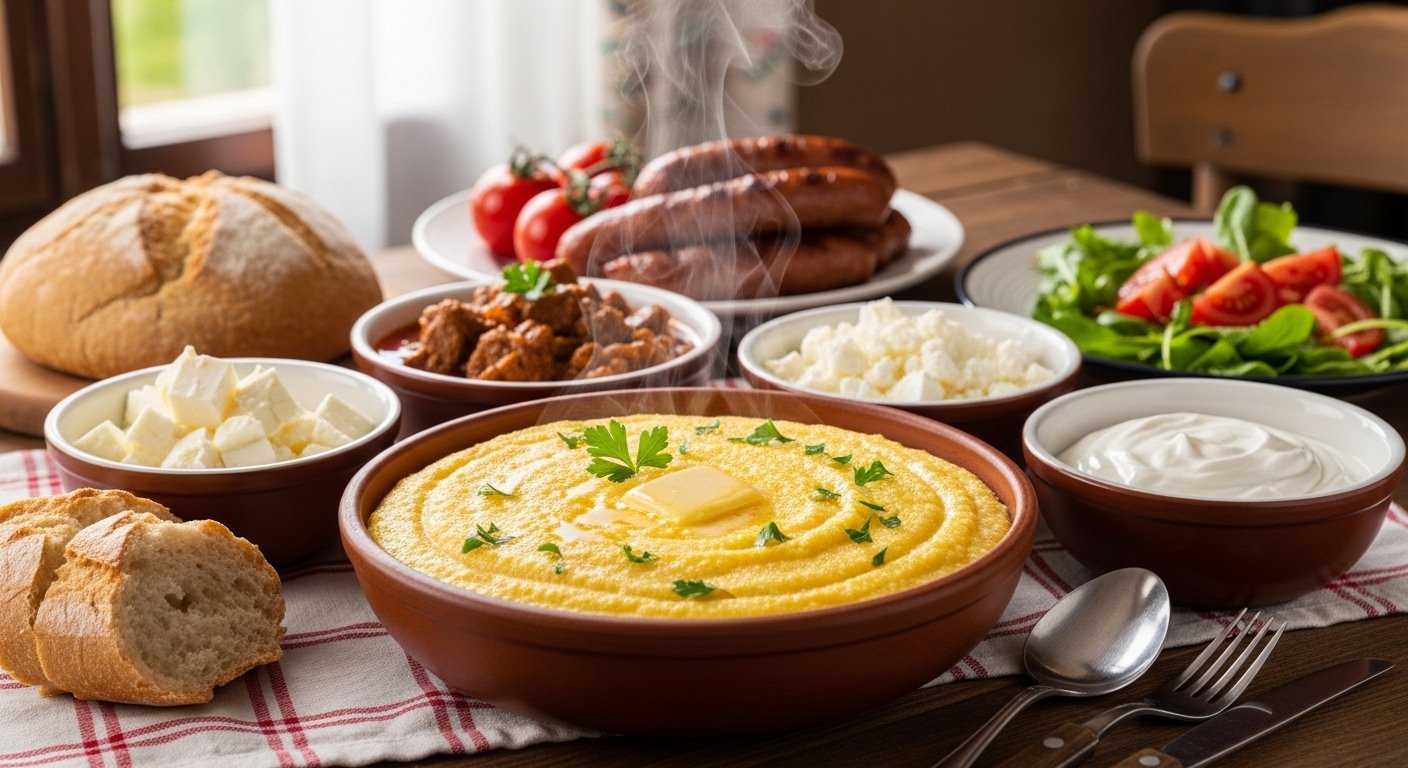
Palentu is more than just a dish; it’s a warm embrace of hearty goodness that has been cherished across the Balkan region for generations. This cornmeal classic, with its humble origins, tells the story of simple yet satisfying cooking that resonates with both tradition and innovation. As you embark on this culinary journey, you’ll discover not only how to whip up your own Palentu but also uncover the rich tapestry of flavors and cultural significance it holds in Balkan cuisine. Prepare to be inspired by this timeless staple that brings people together around the table!
The ingredients and their health benefits
Palentu primarily consists of cornmeal, a gluten-free grain that is rich in carbohydrates. It provides energy and sustains you throughout the day.
Cornmeal is also high in fiber, which aids digestion and promotes a healthy gut. This makes Palentu not just filling but beneficial for overall wellness.
Another key ingredient often used is water or broth, enhancing flavor while keeping the dish moist. Depending on regional variations, some recipes incorporate dairy products like cheese or yogurt. These add protein and calcium to your meal.
Herbs and spices can elevate Palentu’s taste profile as well. Ingredients such as garlic or paprika not only enhance flavor but also offer various antioxidants and anti-inflammatory properties.
Together, these ingredients create a wholesome dish full of nutrients that nourish both body and soul.
Step-by-step guide to making Palentu
Making Palentu is straightforward and rewarding. Start with two cups of cornmeal. Choose a fine or medium grind for the best texture.
Next, bring four cups of water to a gentle boil in a large pot. Add salt to taste—this enhances flavor significantly.
Once boiling, slowly whisk in the cornmeal. Stir continuously to prevent lumps from forming. The mixture will thicken as you stir—keep going until it reaches your desired consistency.
Reduce heat and let it simmer gently for about 20 minutes. This allows the flavors to meld beautifully.
After cooking, pour the Palentu into a greased dish or mold it on a cutting board. Let it cool slightly before slicing into wedges or squares for serving.
Enjoy this hearty classic warm, adding butter or cheese if desired!
Variations of the dish in different Balkan countries
Palentu is a beloved staple across the Balkan region, and each country has its own twist. In Serbia, it often features a creamy texture, enriched with butter and cheese, making it irresistibly indulgent.
In Romania, you might encounter mămăligă. This version is typically denser and served alongside stews or grilled meats. The golden hue of the cornmeal adds warmth to any plate.
Croatian variations may include herbs like parsley or dill mixed in for added flavor. Some regions even serve Palentu as a sweet dish with honey or fruit preserves.
Montenegro offers an intriguing take by incorporating smoked meats into their recipes. This gives their Palentu a smoky depth that pairs beautifully with local wines.
Each variation reflects the unique culinary heritage of its home country while showcasing the versatility of this humble dish.
Tips for Serving and Pairing Palentu
Serving Palentu can be a delightful experience. For the best presentation, slice it into wedges or cubes after allowing it to cool slightly. This creates a firm texture that holds up well on the plate.
Pairing is essential for enhancing its flavor profile. Traditional accompaniments include rich stews and savory sausages, which complement the dish beautifully. A drizzle of olive oil or a sprinkle of fresh herbs elevates its taste even further.
Consider adding cheese as well—crumbled feta or aged hard cheeses work wonders with Palentu’s earthy notes.
For those who enjoy something lighter, serve it alongside roasted vegetables for a colorful meal that’s both hearty and healthy. Experiment with different sauces too; tomato-based or creamy options can add an exciting twist to this classic dish.
With creativity in serving, each bite of Palentu becomes an adventure in flavor and texture!
The cultural significance of Palentu in Balkan cuisine
Palentu holds a special place in Balkan culture, often serving as a symbol of hospitality and warmth. Traditionally prepared during family gatherings and celebrations, this dish brings people together around the table.
In many households, making Palentu is more than just cooking; it’s an act steeped in ritual. Generations pass down recipes, ensuring that each family adds its unique touch while honoring their culinary heritage.
The dish also reflects the agricultural roots of the region. Corn cultivation has been vital for centuries, shaping not only diets but communities as well.
Palentu can be found in various forms across social occasions—from humble everyday meals to festive banquets—highlighting its versatility and importance in daily life. It embodies comfort and sustenance, representing both nourishment and shared experiences among loved ones.
Conclusion:
Palentu is more than just a dish; it represents the heart and soul of Balkan cuisine. With its simple yet nourishing ingredients, this cornmeal classic brings people together around the table. Whether you enjoy it creamy or crispy, sweet or savory, palentu offers versatility that caters to various tastes.
As you explore its variations across different Balkan countries, you’ll discover unique flavors and traditions that reflect regional cultures. The health benefits of its wholesome ingredients make palentu not only delicious but also a nutritious option for any meal.
Serving palentu can be an art form in itself. Pair it with local cheeses, hearty stews, or fresh vegetables to elevate your dining experience. The cultural significance of this dish runs deep as families share stories and memories while savoring each bite.
So why not try making palentu at home? Embrace the warmth of Balkan hospitality through this beloved staple and create new culinary adventures in your kitchen.