
Navigating the world of identification can be tricky, especially for those seeking to bend the rules a little. With social scenes often revolving around age restrictions, many turn to alternatives like fake IDs. One name that frequently comes up in this conversation is idgod—a popular source for counterfeit identification. But how do these fakes stack up against real IDs? Are they worth the risk? In this post, we’ll dive deep into what makes a fake ID tick and compare it with its legitimate counterpart, ultimately helping you make an informed choice about your identity verification needs. Let’s get started on this eye-opening journey!
What is a Fake ID?
A fake ID is a counterfeit identification document that mimics the appearance of a legitimate government-issued ID. People often seek them for various reasons, primarily to bypass age restrictions in social settings like bars and clubs.
These IDs can range from low-quality fakes made at home to more sophisticated versions produced by skilled artisans. The latter often include intricate details such as holograms, barcodes, and UV features that resemble those found on real IDs.
While some users may view fake IDs as harmless fun or a means to explore new experiences, they carry significant risks. These documents are illegal and can lead to serious legal consequences if caught in possession. Understanding what constitutes a fake ID helps individuals navigate this high-stakes landscape with caution.
The Risks and Consequences of Using a Fake ID
Using a fake ID comes with significant risks. For starters, if caught, you could face serious legal repercussions. Fines, community service, or even jail time are possible outcomes.
Employers and educational institutions often conduct background checks. A criminal record associated with using a fake ID can jeopardize job prospects and admissions.
Additionally, the emotional toll shouldn’t be overlooked. The anxiety of getting caught can lead to stress and sleepless nights.
Beyond the personal consequences, there’s also the risk of identity theft. Some counterfeit vendors may misuse your information for malicious purposes.
Many establishments have advanced scanning technology that can detect fakes easily. Getting turned away at the door is one thing; facing law enforcement is another entirely.
How to Spot a Quality Fake ID
When it comes to spotting a quality fake ID, attention to detail is crucial. Start by examining the material. Genuine IDs are made from durable plastic, while fakes often use flimsy materials.
Next, check the printing quality. Real IDs have sharp text and clear images. If anything looks blurry or pixelated, that’s a red flag.
Look for security features like holograms or UV elements. Most states incorporate these into their IDs, making them harder to replicate.
Another tip is to feel the ID’s texture. Authentic cards have an embossed surface and may include tactile details that counterfeits lack.
Don’t forget about the data accuracy. Compare birth dates and names with other identification documents if available; any inconsistencies could signal a fake identity attempt.
The Process of Obtaining a Real ID
Obtaining a real ID involves several steps, each crucial to ensuring you meet legal requirements.
First, gather necessary documents such as proof of identity, residency, and Social Security number. These may include birth certificates or utility bills.
Next, visit your local Department of Motor Vehicles (DMV) or relevant authority. Be prepared for possible waiting times; these offices can get busy.
Once there, complete the application form accurately. It’s vital to double-check all information before submission. Errors can lead to delays or complications.
After submitting your application and documents, pay the required fees. Keep in mind that prices vary by state.
Depending on your location’s process, you might receive a temporary ID while waiting for your official card to arrive in the mail. Patience is key during this period as processing times differ across regions.
Pros and Cons of Using a Fake ID
Using a fake ID can be tempting, especially for those looking to access age-restricted venues or products. One major advantage is the immediate freedom it provides. You can enter bars, clubs, and events without facing age restrictions.
However, that thrill comes with significant downsides. The risk of getting caught is real and can lead to severe legal repercussions. Fines, community service, or even criminal charges could follow you for years.
Another pro is the sense of empowerment that comes from having control over your identity. It feels like a key to new experiences and social circles.
On the flip side, quality matters significantly in this realm. A poorly made fake ID can easily raise suspicion and lead to embarrassing situations or worse consequences if detected by authorities.
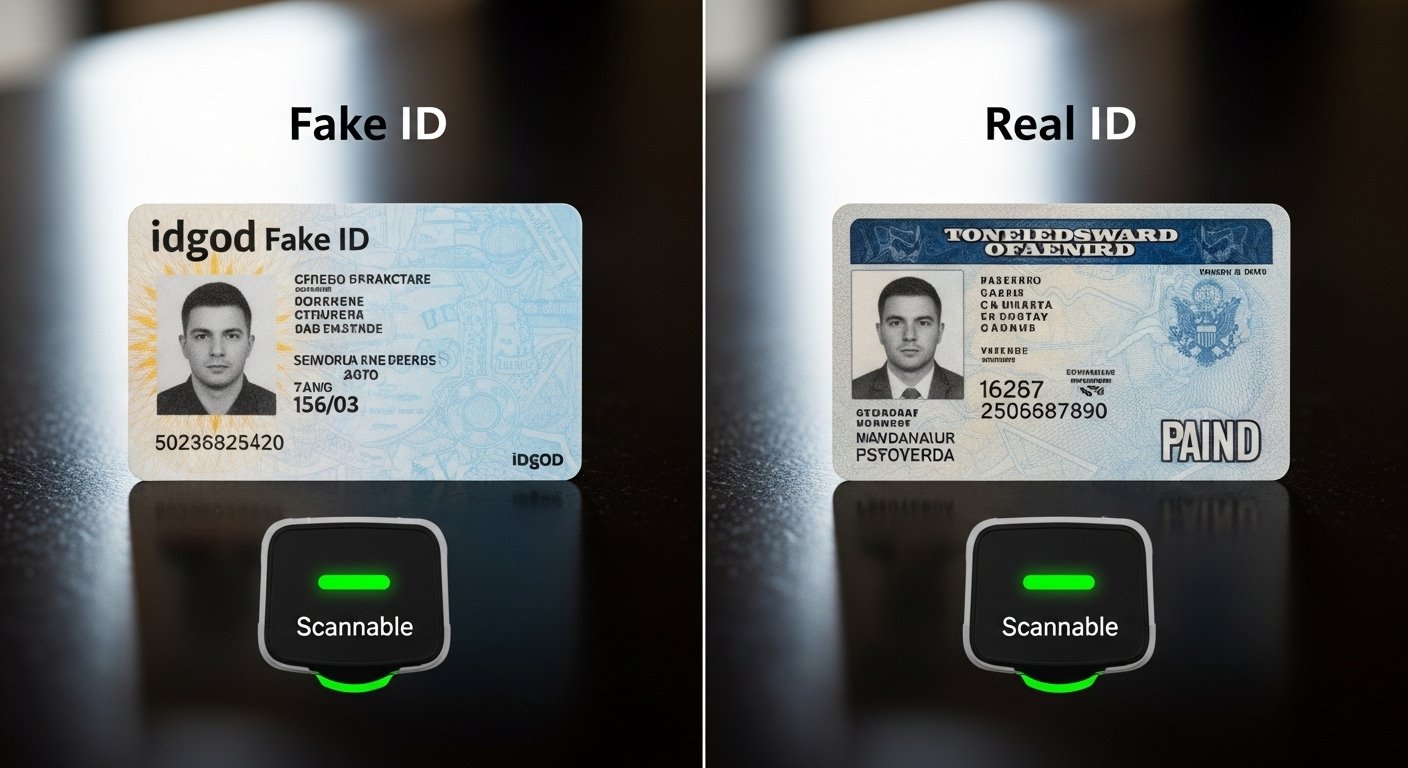
Comparing Scannability: idgod vs Real IDs
When it comes to scannability, the quality of an ID matters significantly. Real IDs are designed with advanced technology that ensures they pass through scanning systems seamlessly. Features such as holograms, microprinting, and embedded chips make them difficult to replicate.
On the other hand, idgod fake IDs have made strides in mimicking these features. Many users report that certain versions can scan well in bars or clubs. However, this doesn’t mean all fakes are created equal; some may fail under scrutiny or when subjected to more sophisticated scanners.
The real test lies in how closely a fake can resemble its legitimate counterpart. Users often emphasize attention to detail regarding fonts and colors when selecting their idgod products.
While some individuals boast about successful experiences using fakes, the risk remains high for those who rely on them for essential identification needs.
Legal Implications of Possessing a Fake ID
Possessing a fake ID can lead to serious legal repercussions. Laws vary by state, but the consequences often include hefty fines and potential jail time.
Many jurisdictions treat the use of counterfeit identification as a criminal offense, which could result in a permanent record. This stigma can haunt individuals long after any penalties are served.
Using a fake ID also opens doors to further violations, especially if it’s used for illegal activities such as underage drinking or fraud. The risks extend beyond immediate legal troubles; they can affect future job prospects and educational opportunities.
Law enforcement agencies have become increasingly adept at spotting counterfeit IDs through advanced technology and training. Getting caught not only affects your present but could impact your future in ways you might not foresee.
Conclusion
Navigating the world of identification can be tricky, especially when considering fake IDs. The allure of a product like idgod may appeal to those looking for a quick solution, but it’s essential to weigh both the pros and cons.
Fake IDs can offer temporary access in social situations. However, they come with significant risks that could lead to dire consequences. From legal troubles to potential safety issues, using a fake ID is not without its dangers.
On the other hand, obtaining a real ID involves following proper procedures and ensuring compliance with local laws. While it may take time and effort, having an authentic form of identification is vital for everyday activities such as banking or travel.
When comparing scannability between idgod’s offerings and legitimate IDs issued by government agencies, there are clear distinctions in quality and security features. Law enforcement officials are trained to spot fakes; thus understanding these differences is crucial for anyone considering their options.
Possessing a fake ID has serious legal implications that could affect your future opportunities. It’s always advisable to understand the gravity of your choices concerning identity verification.
Whether you decide on a real or fake ID must involve careful consideration of your circumstances and the potential repercussions involved. Always prioritize making informed decisions in this matter.