
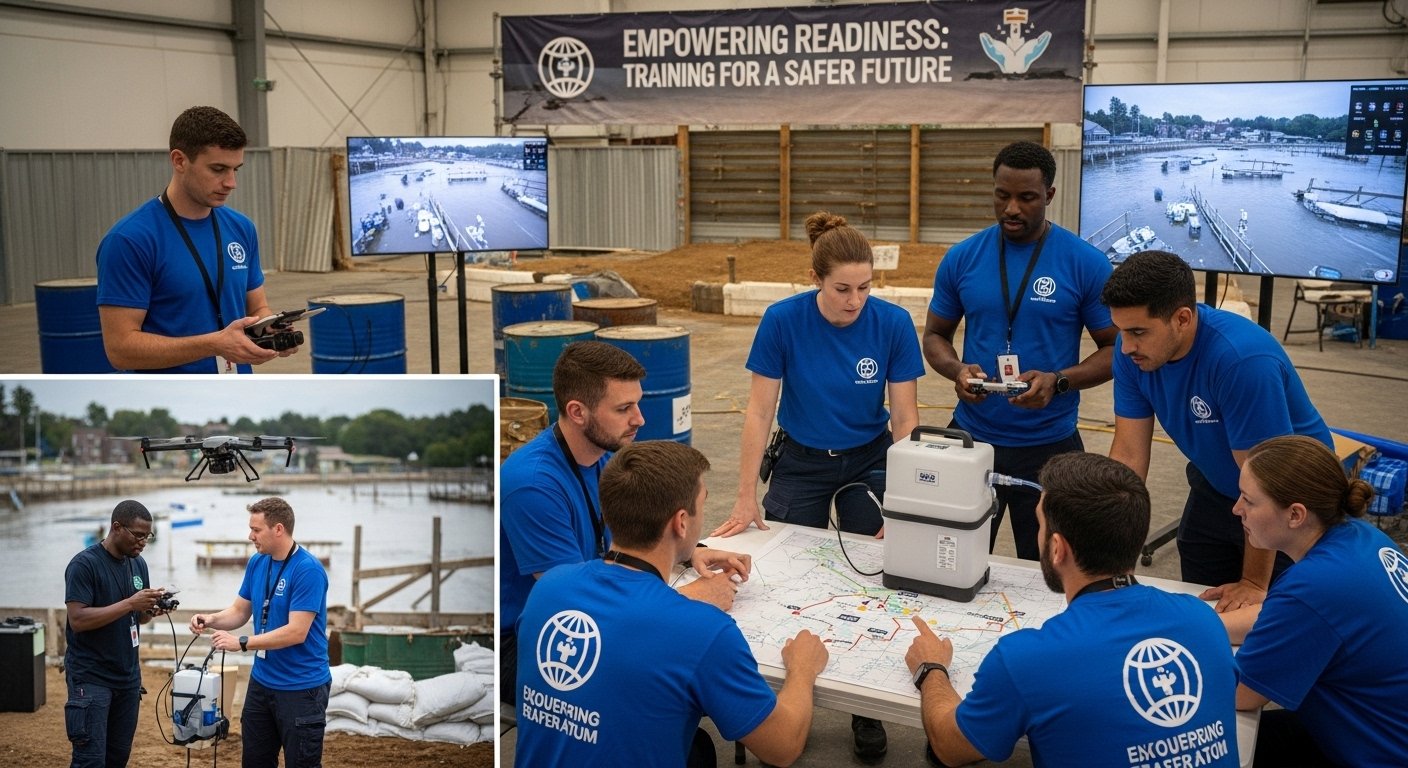
When disaster strikes, every second counts. The ability to respond swiftly and effectively can mean the difference between chaos and order, life and death. But who are the heroes behind those timely responses? It’s the disaster management crew—dedicated professionals equipped with the knowledge and tools to tackle emergencies head-on. Yet, despite their immense responsibility, many of these teams face significant challenges that can hinder their effectiveness.
Empowering our disaster management crews is not just a choice; it’s a necessity. As we delve deeper into this topic, we’ll uncover how proper support, training, and resources can elevate their preparedness levels significantly. By focusing on strategies that enhance their capabilities, we pave the way for safer communities when disasters strike. So let’s explore how we can empower them for better readiness!
Understanding the role of disaster management crew
Disaster management crews play a crucial role in saving lives and minimizing damage during emergencies. They are the first responders, equipped with skills to assess situations rapidly.
These teams include various professionals—firefighters, medics, police officers, and volunteers—all working together seamlessly. Each member brings unique expertise that enhances their collective effectiveness.
Their responsibilities extend beyond immediate response; they also engage in preparedness activities. This means conducting drills and educating communities about safety measures.
Communication is vital within these teams. Clear lines of information ensure coordinated efforts during chaotic scenarios. Every second counts when disaster strikes.
Moreover, disaster management crews often liaise with local governments and organizations to develop strategic plans for future incidents. Their proactive approach can significantly reduce risks associated with natural calamities or human-made disasters.
Challenges faced by disaster management crew
Disaster management crews face a myriad of challenges that can hinder their effectiveness. One major issue is the unpredictability of disasters themselves. Whether it’s a natural calamity or an industrial accident, each situation presents unique obstacles.
Communication breakdowns are another persistent hurdle. In chaotic environments, information may not flow smoothly among teams and agencies, leading to delays in response efforts.
Limited resources often compound these difficulties. Crews might find themselves short on essential supplies or personnel during critical times, which can severely impact their operations.
Training gaps also create vulnerabilities within disaster response teams. Continuous education is vital, yet many crew members may lack access to updated training programs that reflect current best practices and technologies.
Emotional stress plays a significant role in performance. The high-pressure environment can take its toll on mental health, affecting decision-making skills when they are most needed.
Technological advancements in disaster management
Technological advancements are reshaping disaster management, enhancing efficiency and response times. Tools like drones provide aerial views of affected areas, allowing for rapid assessment and real-time data collection.
Mobile applications play a crucial role in communication. They enable teams to coordinate efforts seamlessly, ensuring that information flows quickly between responders on the ground and command centers.
Artificial intelligence is another game changer. It helps predict disasters by analyzing vast amounts of data from various sources. This predictive capability allows crews to prepare better and allocate resources effectively before an event occurs.
Geographic Information Systems (GIS) also revolutionize mapping during crises. With detailed overlays of infrastructure and population density, they guide evacuation plans and resource distribution with precision.
The integration of these technologies not only streamlines operations but also empowers disaster management crews with actionable insights that can save lives.
The need for empowerment and training for disaster management crew
Empowerment and training are crucial for disaster management crews. These teams face unpredictable challenges during emergencies, making preparedness absolutely vital.
Training equips them with essential skills. It enhances their ability to respond effectively under pressure. Regular drills and simulations prepare them for real-life scenarios, ensuring they can act decisively when it matters most.
Moreover, empowerment fosters confidence. When crew members feel valued and supported, they are more likely to take initiative and collaborate seamlessly. This camaraderie strengthens the overall response effort.
Access to ongoing education keeps crews updated on best practices and emerging technologies in disaster management. This not only improves individual performance but also elevates the entire team’s capabilities.
Investing in both empowerment and training creates a culture of resilience within disaster management organizations. A well-prepared crew is better positioned to protect lives and property during crises.
Empowerment strategies and programs
Empowerment strategies for disaster management crews can take many forms. One effective approach is through comprehensive training programs that focus on both hard and soft skills. Technical expertise in emergency response is crucial, but so are communication and leadership capabilities.
Mentorship initiatives can also play a significant role. Pairing seasoned professionals with newer team members fosters knowledge transfer and builds confidence. This collaborative environment encourages growth and innovation.
Simulation drills offer another powerful tool for empowerment. By engaging in realistic scenarios, teams can practice their coordination skills under pressure, enhancing readiness when real disasters occur.
Furthermore, involving crews in decision-making processes cultivates ownership over their roles. When individuals feel valued and heard, morale improves significantly.
Recognizing achievements boosts motivation tremendously. Celebrating successes—big or small—creates a positive culture within the crew that keeps everyone invested in continuous improvement.
Benefits of empowering the disaster management crew
Empowering the disaster management crew transforms their effectiveness. With enhanced skills and knowledge, they respond faster during emergencies.
Better-equipped teams can assess situations accurately, leading to more effective resource allocation. This minimizes confusion in high-pressure scenarios.
When crews feel valued and supported, morale soars. Higher motivation translates into improved communication and teamwork on the ground.
Training programs foster innovation. Crews learn new strategies that can be implemented during crises, adapting quickly to changing circumstances.
Community trust grows when responders are well-prepared. Empowered teams often engage with local populations, strengthening relationships that prove vital during disasters.
Empowerment leads to a culture of resilience within disaster management organizations. A proactive approach ensures readiness for whatever challenges lie ahead.
Case studies of successful empowerment programs
Several organizations have implemented successful empowerment programs for disaster management crews, showcasing effective strategies.
One notable example is the “Ready Responder” initiative in California. This program focuses on training volunteers with hands-on skills in emergency response. Participants gain confidence and practical knowledge, enhancing their ability to act swiftly during disasters.
Another inspiring case comes from Japan, where community-based drills are a norm. Local residents engage in regular preparedness exercises alongside professional responders. This collaboration fosters trust and strengthens communication channels during real emergencies.
In Australia, the “Resilience Building” scheme equips disaster management teams with mental health training. Recognizing the emotional toll of their work helps caregivers support each other better and maintain focus under pressure.
These examples highlight how tailored approaches can significantly elevate the readiness of disaster management crews while fostering strong community ties.
Conclusion:
Empowering the disaster management crew is essential for enhancing community resilience and preparedness. By understanding their roles, acknowledging the challenges they face, and leveraging technological advancements, we can create a more effective disaster response system. Training programs that focus on skill enhancement and mental well-being will not only equip these teams to handle emergencies more efficiently but also boost morale.
Implementing strategies to empower these crews leads to numerous benefits: improved communication during crises, increased trust within communities, and ultimately saved lives. Successful case studies showcase how targeted empowerment initiatives transform local emergency response.
As we recognize the critical nature of disaster readiness, it becomes clear that investing in our disaster management personnel is an investment in safer communities. Empowerment isn’t just a strategy; it’s a commitment to ensuring our heroes are ready when called upon. The road ahead demands collaboration between governments, organizations, and citizens alike—each playing their part in fostering capable and resilient disaster management teams ready for any challenge.