
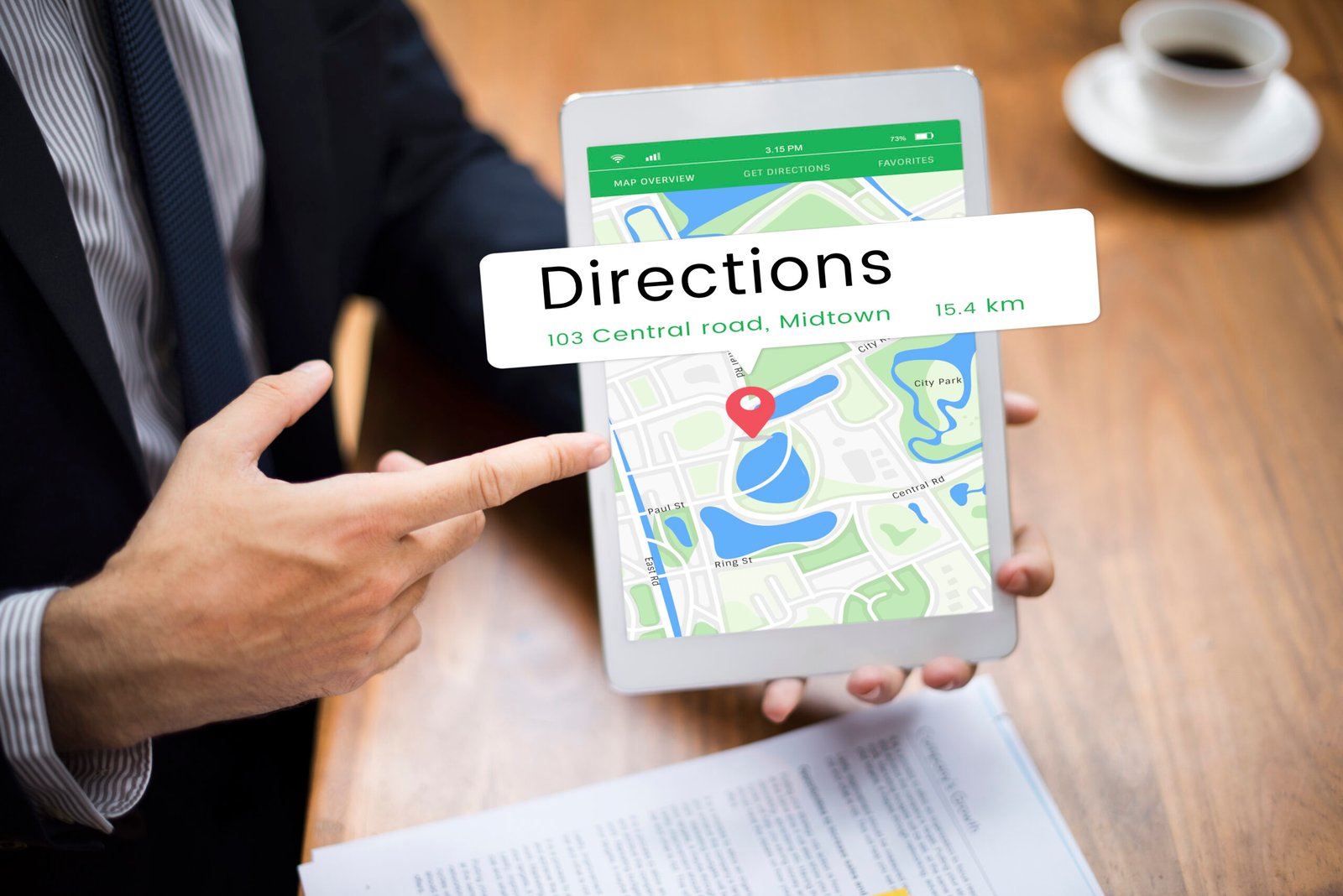
Accurate information is a major strength for businesses that depend on research, outreach and market evaluation. With growing competition across various sectors, teams need reliable data to understand their surroundings, study competitors and identify profitable opportunities. A Google Maps Scraper offers a clear path to gathering structured business information with fewer manual efforts and more consistent results.
This tool has become valuable for marketers, researchers, startups, agencies and service providers who require precise location-based information. By automating collection tasks, the scraper saves time, minimizes errors and provides a strong foundation for planning and strategy development.
What Makes a Google Maps Scraper Valuable
A Google Maps Scraper collects public details from Google Maps listings and turns them into organized data. Instead of manually checking each profile, the scraper processes many listings at once and presents the results in clean tables. This supports everyday business needs such as market evaluation, outreach planning and audience research.
One important factor is the ability to build reliable data sets that represent real-world businesses. These sets help companies understand which areas contain more potential customers, how competitive certain locations are and where new opportunities may exist.
Accurate Google Maps Data Extractor for Faster Research
When teams need information quickly, manual data collection becomes a heavy task. A Google Maps data extractor solves this problem by gathering business names, addresses, websites, phone numbers and ratings within minutes. This structured approach helps professionals compare multiple locations and categories without repeating the same steps again and again.
For example, if a company wants to examine clinics in Lahore, the scraper can collect hundreds of listings with consistent details. The data is later analyzed for trends, customer ratings and service gaps, helping teams plan their strategies.
Local Business Data Scraping for Market Evaluation
Every local market has its own behavior. Some areas grow rapidly while others stay stable for years. To understand these changes, professionals often rely on local business data scraping. By looking at multiple listings from a particular city or neighborhood, teams can determine which industries are performing better and where new customers may be located.
This helps companies:
Study competition
Evaluate demand
Track customer feedback
Identify service gaps
With structured data, market evaluation becomes clearer and more accurate.
Google Maps Leads for Better Outreach
Many businesses depend on fresh leads to grow their customer base. Google Maps leads offer a powerful starting point because they include active businesses with real addresses and contact details. A scraper collects these leads in a simple format, making it easier for teams to filter and organize information based on relevance.
Sales teams benefit the most since they can:
Group leads by category
Refine leads by location
Select leads with higher ratings
Create targeted outreach lists
This improves outreach efficiency and reduces the chances of contacting irrelevant businesses.
How a Google Maps Scraper Works
A scraper uses automated functions to interact with Google Maps and extract details from business listings. Although each tool works slightly differently, the general process is similar.
1. User Inputs Search Criteria
The user enters a keyword and location such as “pharmacies Islamabad” or “salons Faisalabad”.
2. Automated Collection
The scraper gathers information from visible listings and processes additional pages as needed.
3. Data Structuring
The collected information is arranged into columns such as name, contact number, website and coordinates.
4. Exporting Results
Users can export the data in spreadsheet formats and use it for marketing, analysis or research.
This structured workflow helps teams access information quickly and reduces repetitive tasks.
Who Benefits from a Google Maps Scraper
Marketing Professionals
Marketers use scrapers to build outreach lists, understand competitor positions and plan advertising strategies. With accurate data, campaigns become more targeted and effective.
Startups
Startups rely on research to build early strategies. From analyzing demand to studying competition, the scraper helps them understand the environment before launching.
Research Analysts
Analysts need large datasets for reports, studies and comparisons. A scraper offers clean data that can be used directly for analysis.
Agencies and Consultants
Agencies looking for clients use scrapers to identify businesses that match their services. It simplifies the search process and makes prospecting quicker.
Benefits of Using a Google Maps Scraper
Better Accuracy
Automated extraction reduces human errors that often occur during manual research.
Time Saving
Large volumes of data can be collected swiftly, freeing teams to focus on strategic tasks.
Structured Information
Data is organized in clear columns, making it easier to filter, sort and compare.
Scalability
Whether you need information from one neighborhood or multiple cities, the scraper handles it smoothly.
Improved Decision-Making
With access to reliable information, teams can make decisions backed by real data.
Business Directory Scraper for Broader Applications
A business directory scraper supports a wide range of industries by collecting listings from targeted categories. Companies rely on these listings to expand networks, find partners and evaluate potential customers.
Since scraped data includes useful details such as operating hours, ratings and addresses, it helps businesses understand their environment more completely.
Location-Based Scraper for Geographic Insights
A location-based scraper allows users to study multiple regions and compare markets across cities. This function is especially useful for companies with plans for expansion. By examining the density of businesses and local demand, teams can identify promising areas for new branches or services.
Features to Look for in a Google Maps Scraper
When selecting a scraper, reliability and performance matter. A strong tool generally provides:
Fast processing
Accurate results
Stable functions
Clean data formats
Easy filtering options
One preferred option among many users is Scraper City, known for simplicity and consistent output.
Common Use Cases Across Different Industries
Teams build organized lists for campaigns and prospecting.
Competitor Study
Companies compare ratings, customer reviews and business density to evaluate competition.
Expansion Planning
Brands identify suitable locations by studying different cities and neighborhoods.
Market Research
Researchers use data sets to analyze patterns and business behavior.
Networking and Collaboration
Businesses discover partners, suppliers or service providers in specific categories.
Conclusion
A Google Maps Scraper is a practical tool for anyone who relies on accurate business information. It simplifies research, speeds up data collection and presents structured results that can support marketing, planning and analysis. Whether used for studying competitors, finding leads or understanding market conditions, the scraper provides clarity and convenience. With continued reliance on data-driven strategies, this tool remains valuable for both small and large teams looking to make informed decisions.