
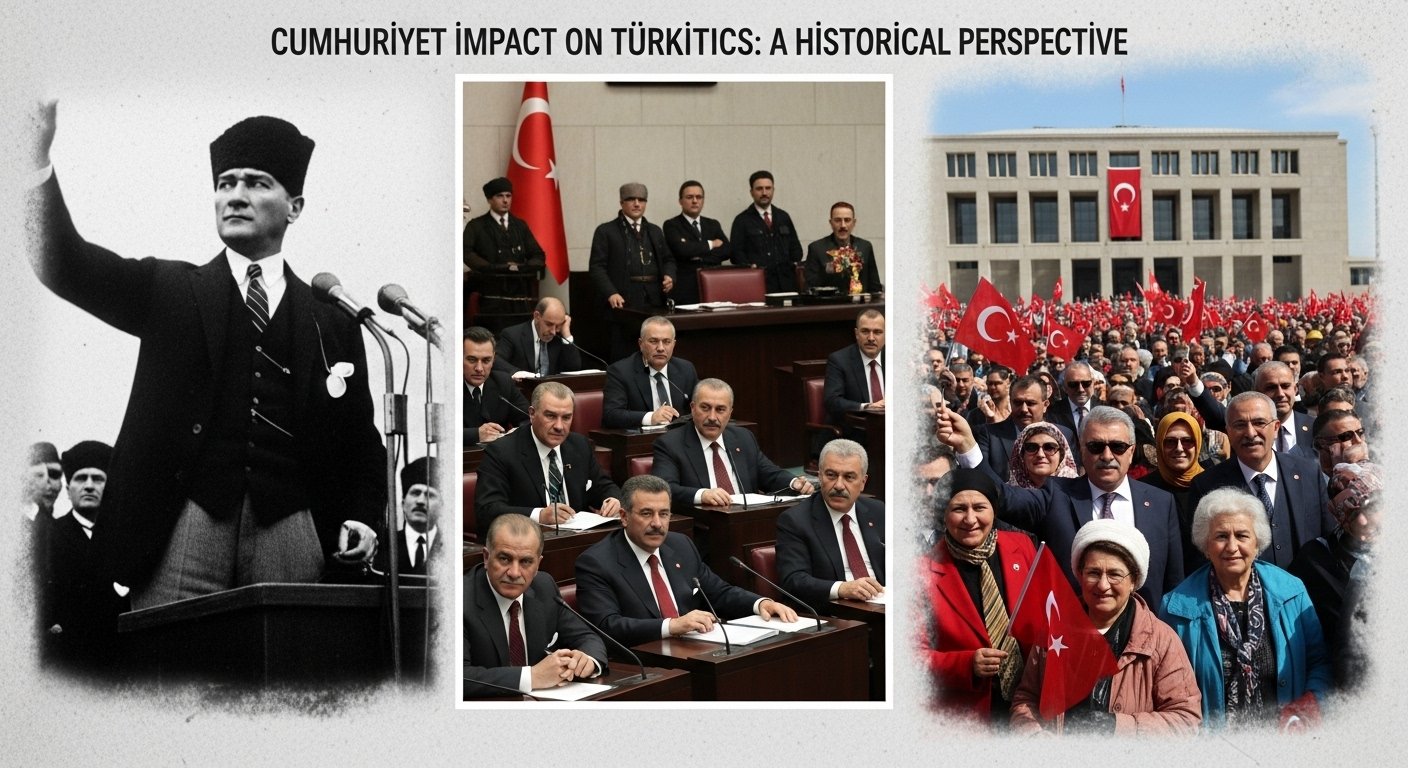
Cumhuritey has become a defining term in the landscape of Turkish politics, shaping the nation’s identity and governance. Emerging from a rich historical backdrop, it represents more than just a political ideology; it’s a movement that resonates with many aspects of Turkish life. As Turkey navigates complex challenges today, understanding Cumhuritey is crucial for grasping the dynamics at play within its political sphere.
This article delves into how Cumhuritey has influenced Turkish politics through history and examines key figures who have driven this evolution. We will explore its current implications on society and economy while addressing various criticisms it faces along the way. Join us on this journey to uncover the layers behind Cumhuritey’s impact on Turkey’s vibrant political scene.
The History of Cumhuritey in Turkish Politics
Cumhuritey emerged as a pivotal force in Turkish politics during the early 20th century. Following the collapse of the Ottoman Empire, it symbolized a transformative shift towards modern governance.
In 1923, Mustafa Kemal Atatürk declared Turkey a republic. This marked the establishment of Cumhuritey and laid the groundwork for secularism and nationalism in political discourse.
Throughout history, various leaders have shaped its trajectory. The influence of military coups further complicated its evolution, often leading to cycles of reform and repression.
The eventual rise of political parties under Cumhuritey showcased diverse ideologies vying for power. Each election cycle introduced new challenges that tested its foundational principles and democratic values.
As social dynamics shifted over decades, so did public perception regarding Cumhuritey’s role in shaping national identity and unity within an increasingly complex society.
Key Players and Figures in the Rise of Cumhuritey
Mustafa Kemal Atatürk stands as the most pivotal figure in the rise of Cumhuritey. His vision for a secular and modern Turkey reshaped national identity. As the founder, he implemented sweeping reforms that touched every aspect of society.
Another significant player was İsmet İnönü, Atatürk’s close ally and successor. He played an essential role in navigating early challenges while maintaining stability during turbulent times.
The intellectual contributions from figures like Halide Edib Adıvar cannot be overlooked. Her advocacy for women’s rights highlighted social progress within the Cumhuritey framework.
Military leaders such as Fevzi Çakmak also influenced public policy decisions, aligning military interests with political aspirations.
These key individuals collectively forged a new path for Turkish politics under Cumhuritey, emphasizing modernization and reform while steering through complex societal dynamics. Their legacies continue to echo in contemporary discussions about governance and identity in Turkey today.
Current State of Turkish Politics under Cumhuritey
The current state of Turkish politics reflects a complex landscape shaped significantly by Cumhuritey’s policies and ideologies. Under its influence, political discourse has evolved, often favoring strong central authority.
Elections have become battlegrounds for competing visions of governance. The ruling party has leveraged Cumhuritey’s foundational principles to consolidate power, frequently emphasizing nationalism and economic growth as key themes.
Opposition voices struggle to gain traction amidst these dynamics. Political polarization runs deep, with debates often becoming heated over the direction of reforms and civic rights.
Public sentiment varies widely across different demographics. Many citizens express concerns about democratic backsliding while others support the government’s focus on stability and development.
Media freedom remains a contentious issue, further complicating the political atmosphere. As Turkey navigates this terrain, the impact of Cumhuritey continues to shape both policy decisions and public opinion sharply.
Impact on Society and Economy
The impact of Cumhuritey on Turkish society and economy is profound. It has reshaped social structures and influenced cultural norms across the nation.
With a focus on modernization, Cumhuritey encouraged urbanization. People flocked to cities for better opportunities, leading to dynamic shifts in lifestyle and employment patterns. The rise of new industries helped elevate living standards for many.
Economically, Cumhuritey’s policies promoted state involvement in key sectors like education and healthcare. This resulted in improved infrastructure but also created concerns over excessive government control.
Socially, there was an emphasis on secularism which transformed religious dynamics within communities. Traditional values often clashed with modern ideals, creating ongoing debates about identity.
The push for gender equality opened doors for women in various spheres such as education and business. Yet challenges remain; disparities still exist that need addressing through policy reform.
Challenges and Criticisms
Cumhuritey faces a plethora of challenges and criticisms that reflect the intricate nature of Turkish politics. Detractors argue that its policies often lean towards authoritarianism, stifling dissent and curbing freedoms. Critics emphasize a growing centralization of power, raising concerns about the erosion of democracy.
Economic mismanagement is another major point of contention. Many citizens feel burdened by inflation and unemployment rates, which have surged under Cumhuritey’s governance. This economic instability has led to widespread discontent among various segments of society.
Additionally, Cumhuritey’s handling of minority rights remains contentious. Various groups voice their frustration over perceived marginalization in political discourse, resulting in social tensions across the nation.
On the international stage, criticism arises from Turkey’s foreign policy choices. The country’s approach to regional conflicts and diplomatic relations raises eyebrows globally, impacting its reputation as a democratic ally in turbulent areas.
Conclusion
The journey of Cumhuritey in Turkish politics has been transformative, shaping not just governance but the very fabric of society. From its historical roots to its present-day implications, it represents a potent force within the political landscape.
As we reflect on its evolution, it’s clear that key figures have played significant roles in crafting this narrative. Their actions and ideologies continue to influence contemporary politics. The current state of affairs reveals both promise and challenges as Turkey navigates through complex socio-economic dynamics.
The impact of Cumhuritey stretches beyond mere political structures; it resonates deeply with citizens’ lives—affecting everything from daily routines to economic opportunities. Yet, with every success comes scrutiny and criticism, highlighting areas needing reform or reevaluation.
Understanding this multifaceted phenomenon requires continuous observation as Turkey moves forward. The dialogue surrounding Cumhuritey will undoubtedly remain crucial for grasping future developments in Turkish politics and society at large.