
In the fast-paced world of business, staying ahead often requires a keen understanding of your operations and strategies. The Map 2.0 Post Assessment is an invaluable tool designed to provide insights that can drive meaningful change in your organization. As companies strive for growth and efficiency, this assessment offers answers that can illuminate areas for improvement and innovation.
Whether you’re looking to refine processes or enhance team performance, the Map 2.0 framework equips you with data-driven insights tailored to your specific needs. This blog will explore key findings from the assessment, actionable solutions based on those insights, and real-life success stories that demonstrate the transformative power of strategic implementation.
Join us as we delve into how the Map 2.0 Post Assessment Answers can unlock new potential for your business journey!
Overview of the Key Insights and Solutions
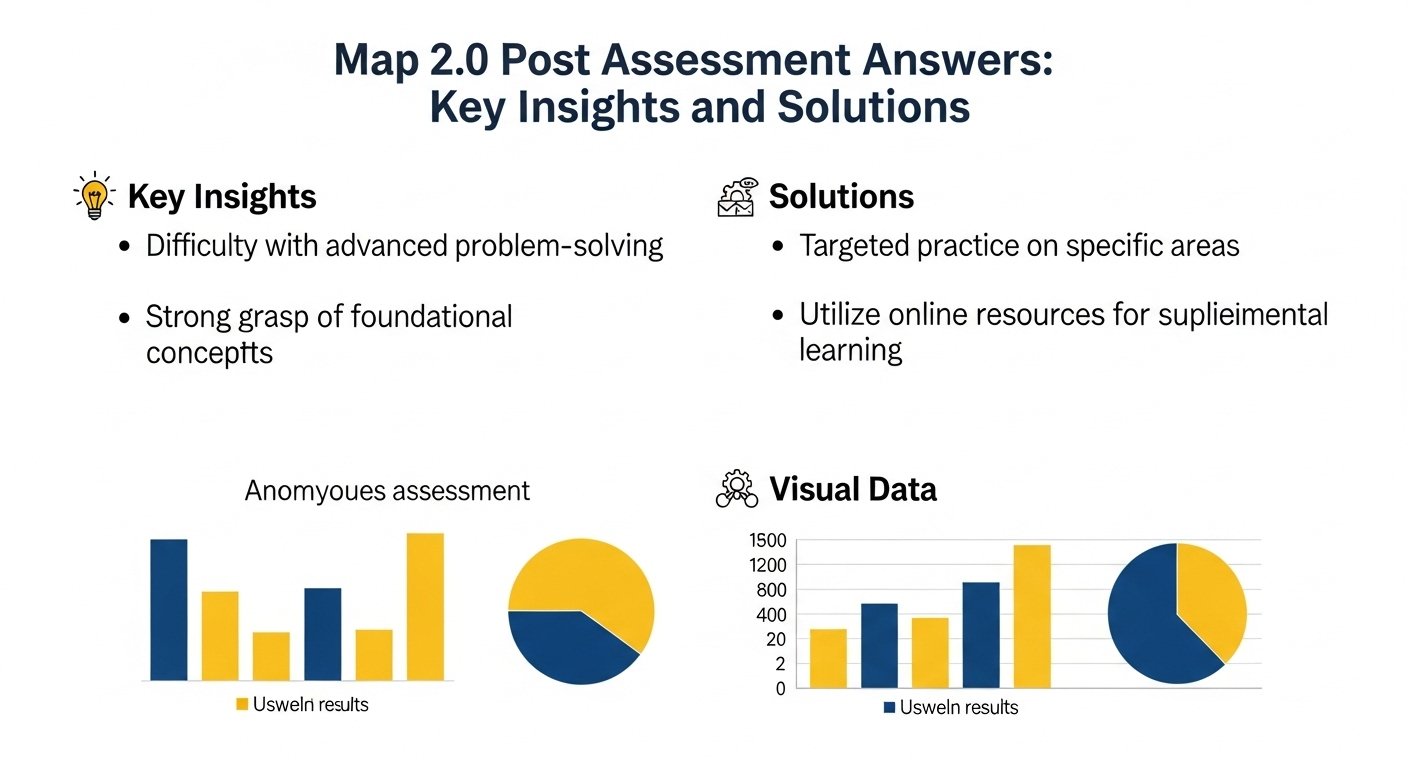
The Map 2.0 Post Assessment reveals critical insights that can reshape business strategies. Companies often struggle with understanding customer behavior, making it vital to focus on data-driven decisions.
Key findings indicate a need for enhanced communication among teams. Silos in information sharing hinder growth potential and innovation.
Moreover, the assessment highlights gaps in technology adoption. Businesses must leverage modern tools to streamline processes and improve efficiency.
Solutions emerge from these insights by encouraging collaborative platforms that foster open dialogue. Invest in training programs to ensure everyone is up-to-date with technological advancements.
Additionally, implementing feedback loops allows organizations to adapt swiftly based on real-time data, creating a more responsive environment for change.
Insights on Data Collection and Analysis
Data collection is the backbone of informed decision-making. The right data can unveil patterns and trends that drive strategic initiatives.
Utilizing various tools helps capture diverse metrics. From customer feedback to operational efficiency, each data point adds a layer of understanding.
Analyzing this information requires more than just basic skills; it demands critical thinking and adaptability. Techniques like predictive analytics can anticipate future behaviors based on past actions.
Additionally, ensuring data quality is essential for reliable insights. Poor quality data can lead to misguided strategies and lost opportunities.
Engaging teams in the analysis process fosters collaboration and innovation. Diverse perspectives often reveal hidden insights that might be overlooked by individuals working in silos.
Harnessing robust data collection methods sets the stage for actionable results, paving the way for enhanced business performance and growth.
Solutions for Implementing Changes Based on Insights
Implementing changes based on insights from the Map 2.0 Post Assessment requires a strategic approach. First, prioritize the areas that need immediate attention. Focus on quick wins that can generate momentum.
Next, involve your team in developing actionable plans. Their input ensures buy-in and fosters a sense of ownership over the changes.
Utilize technology to track progress easily. Tools like project management software streamline communication and accountability among team members.
Don’t forget to establish key performance indicators (KPIs) for each change you implement. This data-driven approach allows you to measure success effectively and make adjustments as needed.
Maintain an open feedback loop with all stakeholders involved. Regular check-ins create opportunities to refine strategies and adapt quickly to unforeseen challenges or new insights that emerge along the way.
Impact of Implementation on Overall Business Strategy
Implementing insights from the Map 2.0 Post Assessment can significantly reshape a business’s strategic landscape. By taking actionable steps based on collected data, companies create a more agile framework.
This agility allows for faster responses to market changes. Businesses that adapt quickly often outperform their competitors who stick with outdated models.
The shift also encourages cross-departmental collaboration. When teams align their goals based on shared insights, innovation flourishes within the organization.
Moreover, integrating these insights fosters customer-centric strategies. Companies begin to understand and anticipate customer needs better, leading to increased satisfaction and loyalty.
Another vital aspect is performance measurement. Tracking metrics post-implementation provides clarity on what works and what doesn’t, ensuring continuous improvement in strategy formulation.
Embracing this approach not only enhances operational efficiency but also positions businesses for long-term success in an ever-evolving marketplace.
Success Stories from Companies Who Implemented Changes
Several companies have successfully transformed their operations after engaging with the Map 2.0 Post Assessment process. One notable example is a mid-sized tech firm that identified gaps in team collaboration through data insights.
By addressing these weaknesses, they streamlined communication channels and improved project management tools. As a result, productivity soared by 30%, leading to faster project completions and happier clients.
Another success story comes from a retail giant that utilized analytics to enhance customer experience. They discovered significant trends in shopping behavior and adjusted their inventory accordingly. This move not only increased sales but also boosted customer satisfaction ratings.
A small healthcare provider leveraged insights from the assessment to revamp patient engagement strategies. By focusing on personalized care plans based on feedback, they saw remarkable improvements in patient retention rates.
These examples underscore how actionable insights can lead to meaningful change across various industries, driving growth and innovation.
Conclusion:
The Map 2.0 Post Assessment is a powerful tool for businesses aiming to enhance their strategies and improve overall performance. Understanding the insights gathered from this assessment can lead to significant advancements in decision-making processes.
Companies that prioritize data collection and analysis often find themselves better equipped to identify trends and adapt accordingly. These insights not only reveal areas of improvement but also highlight strengths that can be leveraged for growth.
Implementing changes based on these insights requires careful planning and execution. Organizations need to build teams dedicated to interpreting findings, testing solutions, and monitoring outcomes over time. This approach fosters a culture of innovation where continuous improvement becomes part of the daily workflow.
The impact of such implementations extends beyond isolated improvements; they contribute significantly to shaping the broader business strategy. A well-informed strategy leads organizations towards achieving long-term goals while staying agile in an ever-evolving market landscape.
Success stories abound, showcasing how companies across various industries have transformed challenges into opportunities by embracing the findings from their post assessments. These examples serve as motivation for others looking to follow suit in optimizing their processes.
Understanding the nuances within your own Map 2.0 Post Assessment answers could very well define your next steps toward success.