
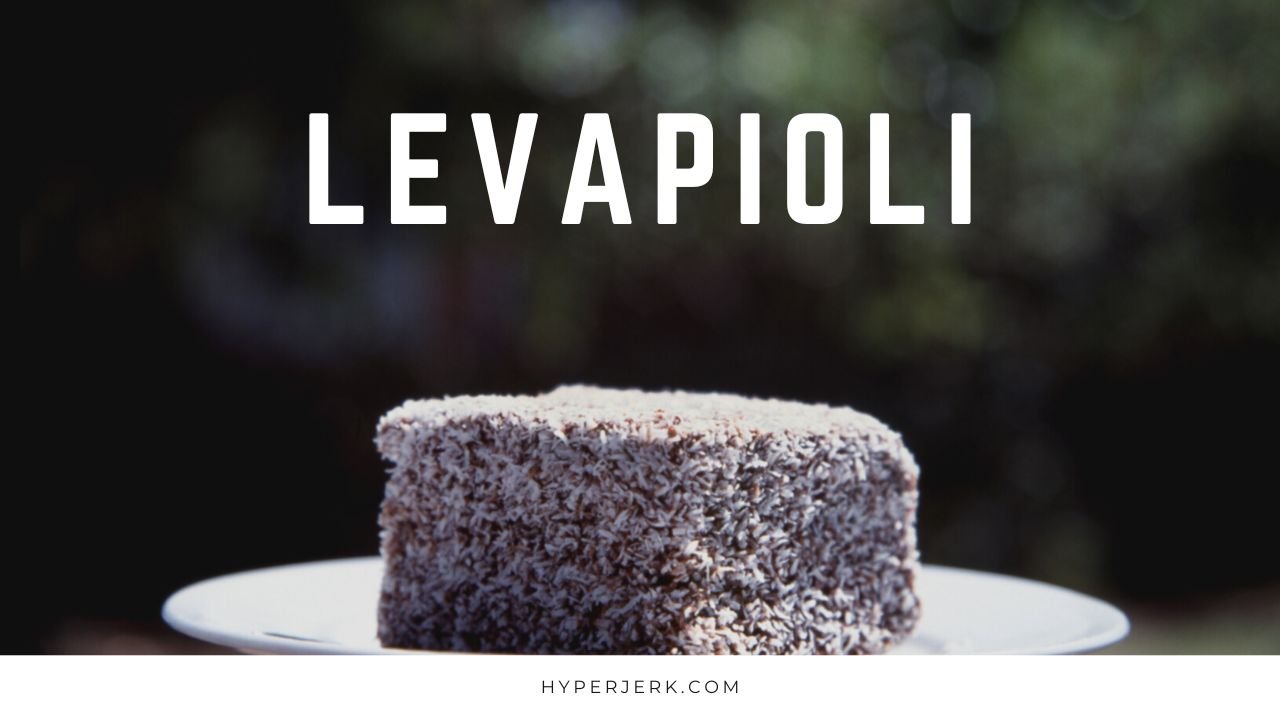
Levapioli may not be a name that rolls off the tongue for many, but this intriguing entity holds layers of history and significance waiting to be uncovered. From its roots in ancient traditions to its modern-day applications, Levapioli is more than just a term; it represents a rich tapestry of culture, beliefs, and practices. Whether you’re curious about its origins or eager to learn how it fits into contemporary life, exploring Levapioli opens up new perspectives on heritage and innovation. Join us as we embark on an enlightening journey through the essence of Levapioli—its past, present, and potential future awaits!
History and Origin of Levapioli
Levapioli traces its roots back to the Mediterranean region, where culinary traditions flourished. This savory dish combines influences from various cultures, reflecting a rich tapestry of history.
The name itself suggests a fusion of flavors and techniques. Its origins are often debated among food historians, with some attributing it to ancient Greek or Roman practices. Others assert that Levapioli emerged in the Balkans as street food enjoyed by travelers.
Traditionally made using minced meat and spices, this dish was designed for simplicity and portability. Over centuries, recipes evolved based on local ingredients and preferences.
As trade routes expanded, so did the popularity of Levapioli. It became a staple in many households across Europe and beyond. Each region developed its unique spin on this delightful creation, further solidifying its place in culinary history.
Cultural Significance of Levapioli
Levapioli holds a special place in various cultures around the globe. It transcends mere culinary enjoyment, acting as a bridge between generations. Families often gather to savor this dish, nurturing bonds and traditions.
In many regions, Levapioli is more than food; it symbolizes hospitality. Offering it to guests reflects warmth and community spirit. This tradition can be seen in celebrations or casual get-togethers alike.
The preparation of Levapioli varies from one culture to another, showcasing local ingredients and cooking methods. Each version tells a story of its origins while adapting over time.
Artisans take pride in their unique recipes passed down through families for centuries. These variations not only enrich the cultural tapestry but also highlight regional identities within the broader context of shared flavors and experiences that unite us all around the table.
Traditional Uses of Levapioli in Different Cultures
Levapioli has woven its way into the fabric of various cultures, each embracing its unique characteristics. In Mediterranean regions, it often finds itself on communal tables during festivals and family gatherings. The scent of grilled levapioli wafts through markets, drawing locals and tourists alike.
In Eastern Europe, especially in countries like Serbia and Bosnia, levapioli is a staple at celebrations. Here, it’s not just food; it’s a symbol of hospitality. Traditional recipes may include spices that vary from one household to another.
Across Asia, some cultures use variants of levapioli in ceremonies or religious events. Its versatility allows for adaptations that blend with local flavors while still preserving its essence.
These diverse practices highlight how levapioli transcends mere culinary delight—it’s a bridge connecting people through shared experiences and traditions.
Modern Applications of Levapioli
Levapioli has found a unique place in contemporary wellness and culinary scenes. As people become more health-conscious, its nutritional benefits gain attention. Packed with proteins, vitamins, and antioxidants, Levapioli is increasingly featured in smoothie bowls and energy bars.
In the kitchen, chefs experiment with Levapioli to create innovative dishes that blend tradition with modern tastes. From gourmet salads to sauces, this ingredient enhances flavor profiles while promoting healthy eating habits.
Moreover, the rise of plant-based diets has made Levapioli popular among vegans and vegetarians. Its versatility allows it to substitute meat in various recipes without sacrificing taste or texture.
The beauty industry also taps into Levapioli’s potential. It appears in skincare products for its nourishing properties that promote glowing skin. This multi-faceted ingredient continues to evolve as new research uncovers even more uses across different sectors.
Potential Benefits and Controversies Surrounding Levapioli
Levapioli has gained attention for its potential health benefits. Advocates claim it may enhance digestion and boost energy levels. Some even suggest it supports mental clarity, making it a popular choice among those seeking natural remedies.
However, not everyone is convinced of its efficacy. Critics argue that scientific evidence is lacking to support these claims. This skepticism raises questions about the validity of levapioli as a remedy.
In addition to health debates, there’s also cultural controversy surrounding its usage. Different regions have varying beliefs about levapioli’s effects and purpose. What one culture embraces might be rejected by another.
This divide creates an intriguing dialogue on how traditions evolve over time while adapting to modern lifestyles. The discussion around levapioli continues to unfold as more people explore both sides of the narrative surrounding this fascinating substance.
Where to Find and How to Use Levapioli
Levapioli can be found in various specialty stores, particularly those focusing on international foods. Look for it in markets that celebrate Mediterranean or Eastern European cuisine. Online retailers also stock this unique ingredient, making it accessible no matter where you live.
Using levapioli is straightforward and versatile. It serves well as a flavor enhancer in soups, stews, and marinades. Just a pinch can elevate your dish to new heights.
For the adventurous cook, try blending levapioli into dressings or dips for an unexpected twist. You might even sprinkle it over roasted vegetables to add depth to their natural sweetness.
Experimentation is key when incorporating levapioli into your meals. Start small and adjust according to taste preferences—it’s all about finding that perfect balance!
Conclusion: The Future of Levapioli
The future of Levapioli looks promising as interest continues to grow. More people are becoming aware of its rich history and cultural significance. With globalization, the unique flavors and traditions surrounding Levapioli have started to spread beyond their native regions.
As culinary enthusiasts experiment with this versatile ingredient, new recipes and uses are emerging. Restaurants worldwide are incorporating Levapioli into their menus, showcasing traditional dishes alongside innovative creations.
Moreover, as health-conscious consumers seek natural alternatives in their diets, the potential benefits of Levapioli may attract further attention. There’s an opportunity for deeper exploration into its nutritional aspects and how it can fit into a modern lifestyle.
Sustainability is also becoming a focal point within food production. As more individuals prioritize eco-friendly options, Levapioli might play a vital role in promoting sustainable eating practices rooted in centuries-old traditions.
With these trends on the rise, it seems that Levapioli will not only maintain its place in cultural heritage but also evolve with contemporary tastes and preferences. The journey ahead promises exciting developments for this cherished ingredient.