
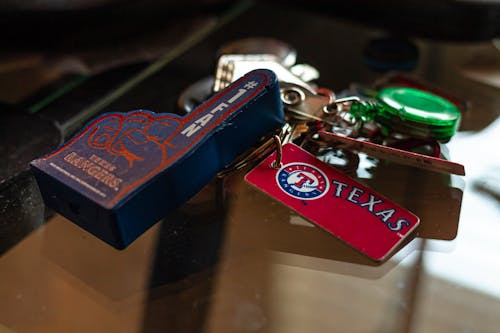
Gamers have always shown their loyalty in loud and creative ways—cosplay, fan art, Discord groups, late-night streams, you name it. But over the past few years, that enthusiasm has taken on a more physical form. Custom merch, once just a souvenir you’d grab at a convention, has become one of the strongest ways for fans to show who they are and what worlds they belong to.
Walk into any gaming event today, and you’ll see it instantly: esports jerseys, streamer hoodies, themed desk mats, enamel pins, keycaps, plushies. These items aren’t just collectibles anymore—they’ve become part of how fans express themselves.
Merch as a Snapshot of Identity
For many gamers, merch is personal. A hoodie printed with a favourite streamer’s logo or custom tote bags referencing a niche RPG says more than any username ever could. It signals your tastes, the communities you’re part of, and the characters or creators that shaped your experience.
People use merch to:
- Show support for creators or game titles
- Spot fellow fans in a crowd
- Decorate their gaming setup
- Share jokes or moments only fans would understand
This is why a small badge or sticker can spark a conversation between total strangers—because the reference is instantly recognisable to those “in the know.”
The Culture of Drops and Limited Runs
One thing gaming communities will always respond to is hype. Merch drops—especially the limited ones—tap directly into that excitement. A timed release, a surprise collab, or a one-off design turns an ordinary item into something people rush for.
Creators and brands fuel that energy with:
- Small-batch apparel
- 24-hour or weekend-only merch drops
- Collabs with digital artists or mod creators
- Signed or numbered items
Fans don’t just purchase these pieces. They chase them, talk about them, and proudly show them off once they’ve secured one. The story behind the item becomes part of its value.
How Streamers Turn Merch Into Community Glue
Streamers today operate like their own mini-brands. Beyond their content, one of the strongest ways they bond with their audience is through merch. It’s something fans can keep physically, long after the stream ends.
Typical drops include:
- Logo merch (hoodies, hats, tees)
- Emote-themed stickers
- Custom desk mats and mousepads
- Joke merch tied to iconic stream moments
- Posters or scene-based artwork
A Boost for Indie Creators and Small Studios
Not all merch comes from big publishers or famous personalities. Indie devs and small artists rely on it even more. When someone buys a charm, print, or zine from an indie creator, they’re directly helping projects continue.
Typical items include:
- Acrylic charms and keychains
- Print sets
- Plushies
- Sticker packs
- Handmade zines
- Unique desk accessories for PC setups
For smaller creators who don’t have huge budgets, merch becomes a practical way to keep their work alive—and fans get to hold onto a piece of the worlds they love.
Why Merch Strengthens Fan Bonds
Gaming communities thrive on shared moments. A physical item tied to those moments helps keep them alive. Whether it’s two fans recognising each other at an event thanks to a shirt design or a group in Discord buying matching stickers, merch builds a sense of “we’re part of the same thing.”
You’ll see it in:
- Conventions where people gravitate toward others wearing the same merch
- Esports arenas where team jerseys fill the crowd
- Online groups showing off matching gear on their setups
These small tokens reinforce the feeling that fans aren’t just watching something—they’re part of a community.
Where Gaming Merch Stands in 2025
Custom merch has grown into a central part of gaming culture. It supports creators, fuels indie projects, and gives fans a way to proudly show their identity. It’s no longer just something you buy because it looks cool. It’s a symbol of belonging, a reminder of favourite moments, and a physical connection to the digital worlds people care about.
In 2025, merch isn’t just an accessory—it’s the glue that binds gaming communities together and turns fan groups into lasting movements.