
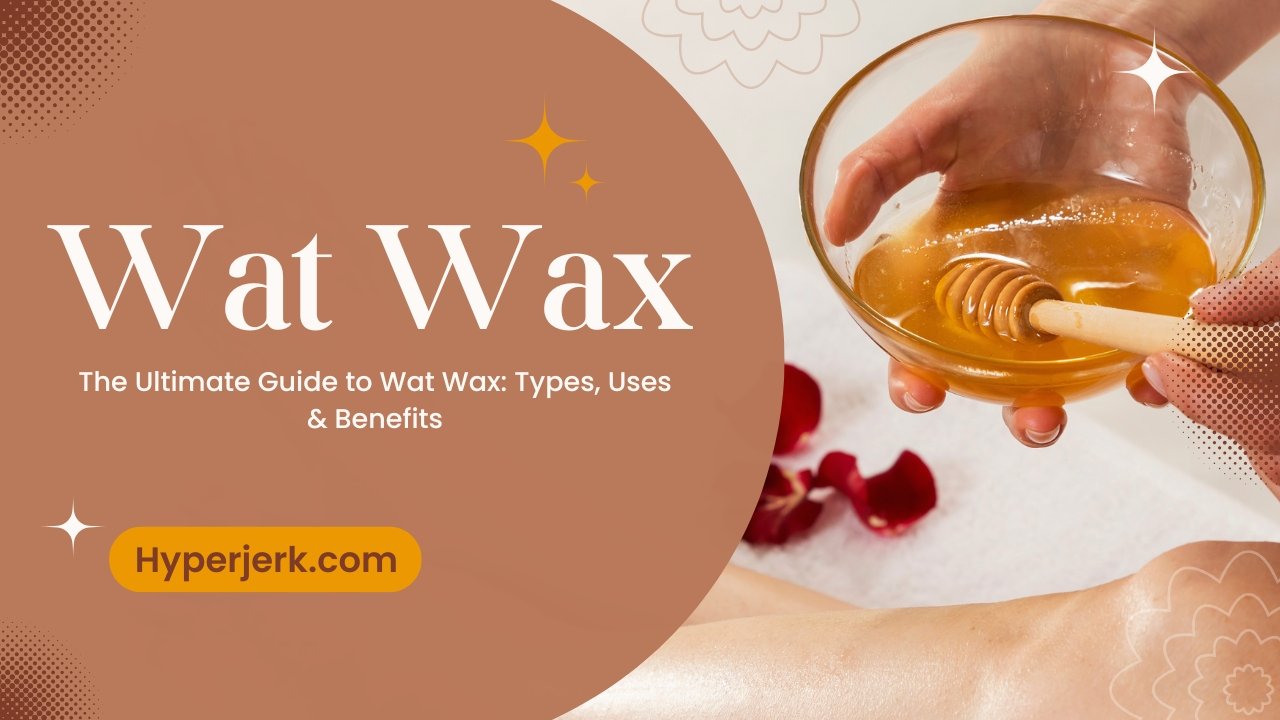
Wax is a versatile substance that has found its way into countless industries, from beauty to automotive care. Whether you’re familiar with it from personal grooming or have used it in crafting and maintenance, there’s much more to learn about wax and its many uses. In this article, we’ll explore the different types of wax, their uses, and how they can benefit you. Whether you’re interested in waxing for hair removal, crafting, or even polishing furniture, this comprehensive guide has you covered.
What Is Wat Wax?
Wat Wax is a solid, fatty substance that becomes soft and malleable when heated. It can be derived from a variety of natural or synthetic sources, including plants, animals, and petroleum-based processes. The versatility of wax makes it suitable for a broad range of applications, from creating candles to offering a smooth hair removal solution.
Wax shares some unique characteristics. It has a low melting point, meaning it can be easily heated and reshaped. Once cooled, it hardens and retains its shape. This quality makes it especially useful in the creation of candles, polishes, and hair removal products. But what types of wax are available, and how do you choose the right one for your needs?
Types of Wat Wax
There are several different types of wax, each suited to specific applications. Let’s break down the most common types and their uses:
1. Beeswax
Beeswax is one of the most popular natural waxes. It is produced by honeybees and is prized for its ability to hold a smooth, creamy texture when melted. Beeswax is commonly used in the production of candles, cosmetics, and skincare products. Its mild, honey-like scent makes it ideal for creating soothing and fragrant candles.
-
Uses: Candle making, cosmetics (lip balms, lotions), skin care products, furniture polish.
-
Benefits: Natural, non-toxic, moisturizing, burns cleanly.
2. Paraffin Wax
Paraffin wax is a widely used, colorless, and odorless wax derived from petroleum. It has a higher melting point than beeswax, making it ideal for a variety of industrial and household applications. Paraffin is most commonly used in candles but is also found in cosmetics, as well as for coating fruits and vegetables to prolong freshness.
-
Uses: Candles, cosmetics, food preservation, industrial applications.
-
Benefits: Inexpensive, easy to mold, burns smoothly.
3. Soy Wax
Soy wax is derived from soybean oil and is a popular choice for eco-conscious consumers. It’s biodegradable and burns slower than paraffin wax, making it an environmentally friendly option for candle-making. Soy wax also tends to hold fragrance better, making it ideal for scented candles.
-
Uses: Candles, cosmetics, melts, and tarts.
-
Benefits: Eco-friendly, burns cleanly, biodegradable, longer burn time.
4. Carnauba Wax
Carnauba wax is a plant-based wax derived from the leaves of the carnauba palm tree, native to Brazil. It has a high melting point and is used in products like car waxes, polishes, and even in the food industry as a coating for fruits.
-
Uses: Polishes (car and furniture), cosmetics, food industry.
-
Benefits: High gloss, durable, plant-based.
5. Candelilla Wax
Candelilla wax comes from the candelilla shrub, which is native to northern Mexico and the southwestern United States. Like carnauba wax, candelilla wax is often used as a hardening agent in cosmetics and other products. It is a bit harder than beeswax, which makes it ideal for creating a stronger wax coating.
-
Uses: Cosmetics, lip balms, hair products, candle making.
-
Benefits: Vegan alternative to beeswax, hardens quickly.
6. Microcrystalline Wax
Microcrystalline wax is a softer, more flexible wax that is used primarily in the food and cosmetics industries. It has a higher melting point than paraffin and is used as a thickening agent and coating in products such as lotions, cosmetics, and even chewing gum.
-
Uses: Cosmetics, lotions, food coatings, adhesives.
-
Benefits: Flexible, melts at a higher temperature, non-toxic.
Wat Wax Uses Beyond Hair Removal
While many people are familiar with wax through hair removal products, its applications extend far beyond that. Let’s take a look at some of the other ways wax is used.
1. Waxing for Hair Removal
Hair removal wax is one of the most common uses for wax in personal care. The wax adheres to the hair and pulls it out from the root when removed, providing longer-lasting results compared to shaving. It can be used on various areas of the body, including legs, underarms, and the bikini area.
-
Benefits: Longer-lasting results, smooth skin, removes hair from the root.
-
Types of Wax for Hair Removal:
-
Hard Wax: Solidifies as it cools and is pulled off without the need for strips. Ideal for sensitive areas.
-
Soft Wax: Applied in a thin layer and removed with strips. Best for larger areas like the legs or arms.
-
2. Wax for Candle Making
Wax is the key ingredient in candles. It is melted down, poured into molds, and allowed to harden to create a functional and decorative piece. The type of wax used in candles affects the burn time, scent throw, and overall quality of the candle. For example, soy wax provides a longer burn time, while beeswax gives off a natural, warm scent.
-
Wax Options for Candles:
-
Soy Wax: Ideal for those seeking an eco-friendly option.
-
Paraffin Wax: The most common wax used in mass-produced candles due to its low cost and easy molding.
-
Beeswax: Offers a natural scent and cleaner burn.
-
3. Wax for Polishing and Finishing
Wax plays a vital role in polishing and finishing various surfaces, including wood, metal, and even cars. The wax helps protect the surface from moisture, dirt, and wear. For example, car wax is applied to create a glossy finish and protect the vehicle’s paint from oxidation.
-
Uses: Furniture polish, car waxing, shoe polish, and more.
-
Benefits: Provides a shiny finish, protects against wear and moisture.
Benefits of Wat Wax in Various Products
Wax, especially in natural forms, is widely valued for its many benefits. Let’s dive into why wax is such a great addition to a wide range of products.
1. Moisturizing Properties
Many types of wax, especially beeswax, are used in skincare products because they provide a protective layer that helps lock in moisture. This makes wax-based products ideal for dry skin.
2. Eco-Friendly
Wax from natural sources, such as soy, beeswax, and candelilla, is biodegradable and non-toxic, making it an eco-friendly option. Soy candles, for example, are a popular alternative to paraffin because they are sustainable and burn cleaner.
3. Durability and Protection
Wax is used in polishing products for its ability to protect surfaces from dirt, scratches, and moisture. Car wax, for example, provides a protective barrier for vehicle paint, preventing oxidation and making it shine.
4. Versatility
Wax can be molded and shaped in various ways, making it suitable for a broad range of applications. From crafting candles to creating intricate designs in cosmetics, its adaptability is unmatched.
How to Choose the Right Wat Wax for Your Needs
With so many types of wax to choose from, it’s important to select the right one for your intended use. Here are some things to consider:
-
For Hair Removal: If you’re looking for hair removal wax, choose between hard wax or soft wax based on the area of your body you’re treating. Hard wax is great for sensitive areas, while soft wax works well on larger surfaces.
-
For Candle Making: If you want eco-friendly candles that burn longer, soy wax is an excellent option. Beeswax offers a natural scent, while paraffin is perfect for mass-produced candles.
-
For Polishing and Finishing: Choose a wax like carnauba wax for its high gloss and durability. Microcrystalline wax works well in cosmetics and lotions for its smooth texture.
Final Thoughts: Why Wat Wax Is a Must-Have Product
Wat Wax is an indispensable part of modern life, from personal care to home improvement. Whether you’re waxing for smoother skin, creating beautiful candles, or polishing your car to a gleaming finish, wax has proven its versatility. Its natural and synthetic forms offer different advantages, depending on your specific needs.
Are you ready to explore the world of wax for your next project? Whether you’re making your own candles or removing unwanted hair, the right wax can make a big difference. Explore your options and start creating, polishing, or waxing today!