
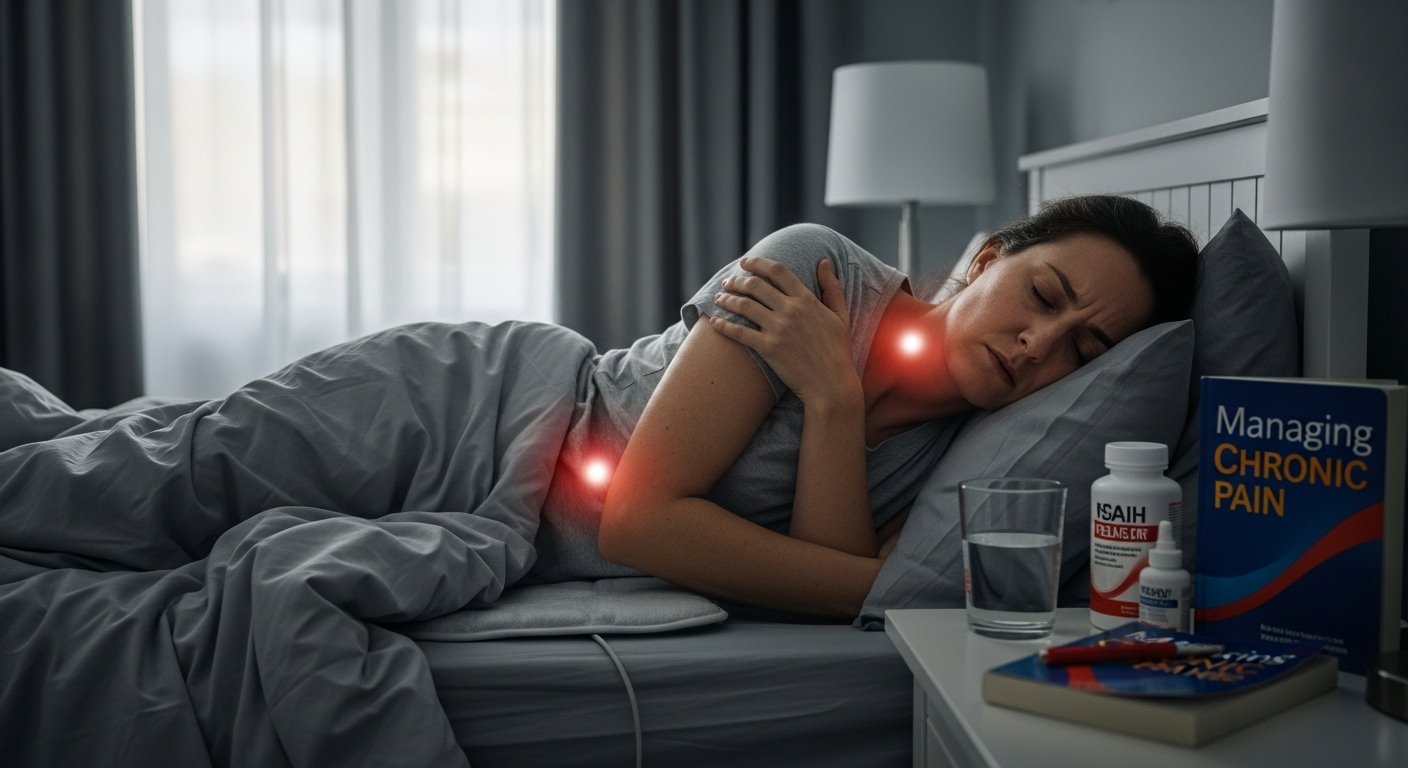
Chronic muscle and soft tissue pain can disrupt daily life in ways that are often hard to explain. Imagine waking up feeling exhausted, with sore muscles that refuse to cooperate throughout the day. For many, this isn’t just an occasional experience; it’s a persistent battle known as Inomyalgia. This condition affects millions of people worldwide, leading to physical discomfort and emotional strain.
If you’re one of those affected by this mysterious ailment or know someone who is, understanding Inomyalgia is crucial for finding relief. This article will explore the causes, symptoms, diagnosis methods, and various treatment options available. Additionally, we’ll delve into coping strategies and alternative therapies that may help ease your journey while shedding light on supportive resources tailored for those navigating life with Inomyalgia. Join us as we unravel the complexities of this challenging condition!
Understanding Inomyalgia
Inomyalgia is a condition characterized by persistent pain in muscles and soft tissues. This discomfort can manifest anywhere in the body, impacting daily activities and overall quality of life. Unlike typical muscle soreness, Inomyalgia involves widespread pain that often feels deep-rooted.
Research indicates that it may stem from a combination of genetic factors, environmental triggers, and psychological stressors. It’s not solely about physical symptoms; emotional well-being plays a significant role as well.
Individuals with Inomyalgia might experience fatigue, sleep disturbances, and cognitive challenges known as “fibro fog.” These symptoms create an intricate web that affects both mind and body.
Understanding this condition begins with recognizing its complexity. Each person’s experience varies widely based on multiple factors including lifestyle habits and personal health history. Awareness is essential for those seeking effective ways to manage their symptoms while navigating everyday life.
Causes and Symptoms of Inomyalgia
Inomyalgia can stem from various factors, often intertwining physical and emotional elements. Genetic predisposition plays a significant role; if someone in your family has experienced similar symptoms, you might be at risk.
Stress is another contributing factor. Chronic tension can lead to muscle tightness, exacerbating discomfort. Lifestyle choices such as inactivity or poor posture also contribute to the development of this condition.
Symptoms frequently include widespread pain that feels like a deep ache or soreness in muscles and soft tissues. Fatigue often accompanies these sensations, leaving individuals feeling drained even after adequate rest.
Cognitive difficulties may arise too, known as “fibro fog.” This includes issues with focus and memory that can further complicate daily life activities. Recognizing these signs early is crucial for seeking appropriate help and managing the condition effectively.
Diagnosis and Treatment Options
Diagnosing inomyalgia can be challenging. There’s no specific test for it, so doctors rely on a combination of patient history and physical exams. They often rule out other conditions first to confirm the diagnosis.
Treatment options vary widely based on individual symptoms. Medications like pain relievers and antidepressants may help manage discomfort. Physical therapy is also beneficial, focusing on strengthening muscles and improving flexibility.
Lifestyle changes play a critical role too. Regular exercise tailored to your abilities can promote overall well-being. Stress management techniques such as meditation or yoga are effective adjunct therapies that many find helpful.
For some patients, alternative treatments like acupuncture or massage provide relief from muscle tension and pain. It’s essential to work closely with healthcare providers to create a personalized treatment plan that suits your needs best.
Living with Inomyalgia: Coping Strategies
Living with inomyalgia can be challenging, but there are practical strategies to help manage daily life. Establishing a routine is essential. It creates structure and predictability, which can alleviate anxiety.
Incorporating gentle exercises like yoga or swimming can improve flexibility without straining your muscles. These activities promote relaxation and release endorphins, providing natural pain relief.
Mindfulness meditation also plays a crucial role in coping. Practicing mindfulness helps focus on the present moment, reducing stress that may worsen symptoms over time.
Consider keeping a journal to track triggers or patterns related to your muscle pain. This insight could guide discussions with healthcare providers for personalized treatment plans.
Connecting with others who understand your experience is invaluable too. Support groups offer emotional comfort and practical advice from those facing similar challenges. Building relationships reinforces the idea that you’re not alone in this journey.
Alternative Therapies for Inomyalgia
Alternative therapies can offer relief for those dealing with inomyalgia. Many individuals seek these options to complement traditional medical treatments.
Acupuncture is one such approach. This ancient practice involves inserting thin needles into specific points of the body. Many find it helps reduce pain and enhance overall well-being.
Another popular option is massage therapy. Gentle, targeted pressure on sore muscles can alleviate tension and improve circulation. Regular sessions may lead to significant improvements in comfort levels.
Mind-body techniques like yoga and meditation are also beneficial. These practices promote relaxation while increasing flexibility and strength.
Herbal remedies deserve mention too, as certain supplements have shown promise in managing symptoms. Always consult a healthcare professional before trying new treatments, especially when combining them with existing medications or therapies.
Exploring these alternative options may empower individuals seeking control over their health journey amidst the challenges posed by inomyalgia.
Support and Resources for Those with Inomyalgia
Finding support when living with Inomyalgia can be crucial. Many individuals benefit from connecting with others facing similar challenges. Online forums and local support groups provide safe spaces to share experiences and coping strategies.
Organizations dedicated to chronic pain awareness often offer valuable resources, including educational materials, workshops, and advocacy efforts. Websites like the National Fibromyalgia Association serve as great starting points for information on Inomyalgia.
Additionally, healthcare providers may suggest physical therapy or counseling services tailored for those dealing with chronic pain conditions. These professionals can help navigate treatment options while providing emotional support.
Don’t underestimate the power of community engagement. Participating in activities that promote well-being—like yoga or meditation classes—can foster connection while improving mental health.
Remember, seeking assistance is a sign of strength. Surrounding yourself with supportive people can make a significant difference in managing everyday life with Inomyalgia.
Conclusion:
Inomyalgia can be a challenging condition that affects many aspects of daily life. Understanding its causes and symptoms is essential for better management and improved quality of life. Diagnosis may require patience, as it often overlaps with other conditions. However, there are various treatment options available to help alleviate the pain.
Living with Inomyalgia necessitates adopting effective coping strategies. These might include relaxation techniques, regular exercise tailored to individual capabilities, and maintaining a healthy lifestyle. Many people find relief through alternative therapies such as acupuncture or massage therapy, which complement conventional treatments.
Support from others can make a significant difference in managing this condition. Engaging with support groups offers emotional backing while sharing experiences can provide practical tips for dealing with everyday challenges related to Inomyalgia.
It’s crucial for those affected by Inomyalgia to remain informed about their condition and explore various resources available to them. Adopting a proactive approach will empower individuals on their journey toward wellness and resilience against chronic muscle and soft tissue pain associated with this complex disorder.