
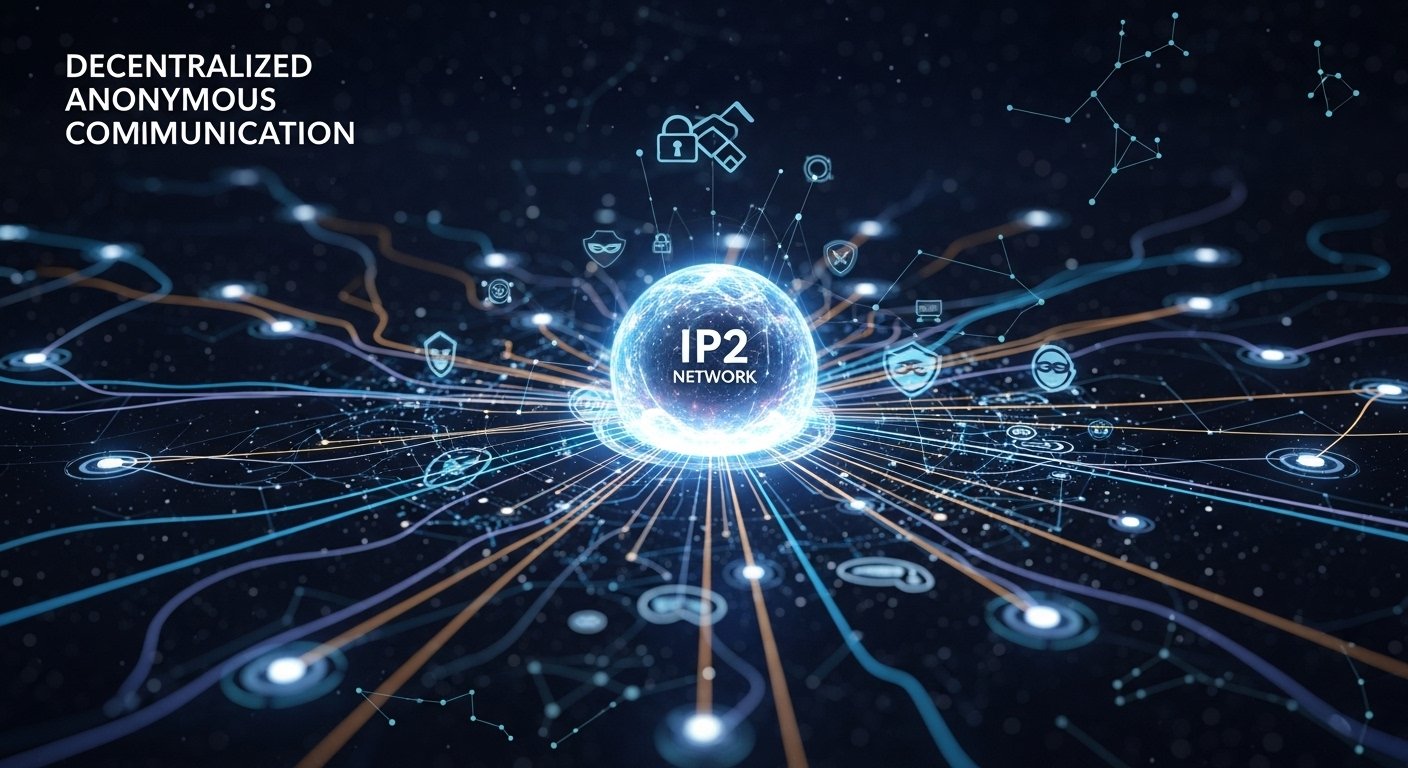
In a world where digital footprints are scrutinized and privacy feels like a luxury, the need for secure communication has never been more pressing. Enter the ip2 network—a revolutionary platform designed to offer decentralized and anonymous communication for users who value their privacy. As traditional methods of online interaction increasingly come under threat from surveillance and data breaches, the ip2 network emerges as a beacon of hope. It promises not just anonymity but also empowerment in an interconnected landscape where information is currency. Let’s explore how this innovative technology works, its unique features, and why it might be the solution you’ve been looking for in your quest for online security.
The Need for Decentralized and Anonymous Communication
In today’s digital landscape, privacy is increasingly under threat. With surveillance technologies on the rise, individuals often feel exposed and vulnerable. This has created a pressing need for alternatives that prioritize anonymity.
Decentralized communication offers a solution by eliminating central points of control. When information flows through multiple nodes rather than relying on a single server, it becomes nearly impossible to monitor or manipulate.
Anonymity serves as an essential safeguard against unwanted observation and intrusion, allowing users to express themselves freely without fear of repercussions. The desire for secure channels fosters trust among communities seeking refuge from prying eyes.
Moreover, decentralized systems empower individuals in oppressive regimes where censorship prevails. By creating spaces for unfiltered dialogue, these networks encourage activism and societal change even in adverse conditions. In such turbulent times, the demand for robust anonymous communication options is stronger than ever before.
How ip2 network Works
The ip2 network operates on principles of decentralization and cryptography. Instead of relying on a central server, it distributes data across multiple nodes. This architecture enhances security and privacy.
When a user connects to the ip2 network, their traffic is routed through various peer nodes. Each node only knows the previous and next hop in the chain, making tracking nearly impossible.
Encryption plays a crucial role in this process. All communications within the network are encrypted end-to-end. This means that even if someone intercepts data packets, they cannot decipher their contents.
Users can access various services anonymously without revealing personal information or location details.
This structure allows individuals to communicate freely while minimizing risks associated with surveillance or censorship. In essence, ip2 transforms how we think about online interactions by prioritizing user anonymity above all else.
Features of ip2 network
The ip2 network boasts several standout features that make it a powerful tool for communication. At its core, the network enables users to connect without revealing their identities, ensuring privacy and anonymity.
One of its key attributes is decentralization. Unlike traditional networks reliant on central servers, ip2 operates on a distributed model. This means no single point of failure exists, enhancing both security and resilience.
Encryption is another vital feature. Data transmitted through the ip2 network is encrypted end-to-end, safeguarding information against potential eavesdroppers or unauthorized access.
User-friendly interfaces facilitate easy navigation and accessibility for individuals at all technical levels. Whether you are tech-savvy or just starting out, engaging with the platform remains straightforward.
The adaptability of ip2 allows developers to build upon its foundation easily. This flexibility encourages innovation within the community while expanding potential applications across various sectors.
Benefits of Using ip2 network
The ip2 network offers a range of benefits that appeal to users seeking privacy and security online. First, it ensures anonymity by routing communications through multiple nodes. This makes it exceptionally difficult for anyone to trace the origin of data.
Enhanced security is another significant advantage. With built-in encryption protocols, your information remains protected from potential eavesdroppers. This layer of defense is vital in today’s digital landscape.
Users also experience greater resilience against censorship. The decentralized nature means there is no single point of failure, allowing communication to persist even under restrictive measures.
Additionally, the ip2 network fosters community engagement. It empowers individuals by enabling them to share ideas freely without fear of judgment or retribution.
Its scalability allows for continuous growth and adaptation as technology evolves, ensuring that users can rely on this platform for years to come.
Potential Use Cases for ip2 network
The ip2 network presents a range of intriguing use cases that cater to different needs.
Activists operating in oppressive regimes can leverage this technology. It allows them to communicate without fear of surveillance or retaliation.
Journalists seeking to protect their sources will find value here as well. Anonymity fosters trust, enabling the flow of critical information without compromising identities.
Businesses looking for secure communications can also benefit from the ip2 network. Sensitive data transfers become safer, minimizing risks associated with cyberattacks.
Additionally, individuals concerned about privacy in everyday online interactions can utilize this decentralized platform. It empowers users by giving them control over their digital footprint.
Gamers may explore using the ip2 network to enhance anonymity while engaging online. This could lead to more secure and enjoyable experiences within gaming communities as they interact freely without external monitoring.
Challenges and Future Developments
The ip2 network faces several challenges as it grows. One significant hurdle is scalability. As more users join, ensuring efficient communication without compromising speed is crucial.
Security remains a top concern. Even in decentralized systems, vulnerabilities can arise. Developers must continuously work to fortify the network against potential attacks.
User adoption presents another challenge. Many people still prefer traditional communication channels due to familiarity and perceived ease of use. Educating the public about the benefits of anonymous communication could help shift this mindset.
Looking ahead, future developments may focus on enhancing user interfaces and accessibility features. Making the technology easier to navigate will encourage broader participation.
Innovation in encryption methods will also be vital for maintaining privacy standards as threats evolve over time. The landscape of digital communication is changing rapidly, and staying ahead is essential for platforms like ip2 network to thrive.
Conclusion
The ip2 network represents a significant shift in how we think about online communication. By prioritizing decentralization and anonymity, it offers users a way to connect without the surveillance that often accompanies traditional internet platforms. This innovative framework meets an increasing demand for privacy and security in our digital lives.
As society continues to grapple with issues surrounding data privacy, the ip2 network stands out as a beacon of hope. Its unique features provide robust protection against eavesdropping and censorship, making it an appealing option for those who value their personal information.
The potential use cases stretch far beyond casual conversations. Activists, journalists, and everyday individuals alike can benefit from using this platform to communicate freely without fear of repercussion. Challenges remain as technology evolves; however, ongoing developments within the network offer promising solutions that may enhance its efficiency and user experience.
Embracing decentralized anonymous communication through tools like the ip2 network marks a step towards reclaiming control over our digital identities. As more people become aware of these options, it will be interesting to observe how they shape our future interactions online.